
Showing Posts From
Gfci requirements
This tag page collects 2 TradesQuote articles related to Gfci requirements. Use it to browse contractor-focused guidance on sizing, code, cost, diagnostics, and estimating without hunting through the full blog archive.
Each post below is written for people who bid and run trade work — HVAC and electrical contractors, estimators, and technicians who need clear explanations they can apply on the next job. Skim the summaries, open the guides that match your question, then follow related calculator links when you need interactive numbers.
Featured reading in this collection includes: NEC 2023 vs 2026: The Changes That Affect Everyday Work; Where GFCI Protection Is Required (NEC 210.8, With the 2023 Changes). Open any article for full detail, examples, and links to free tools that support faster estimating.
Looking for a broader topic? Browse all tags from the tags index, or jump to HVAC and electrical categories for curated topic hubs. TradesQuote also offers free calculators and an AI estimator when you are ready to turn a job description into a line-item quote.
Guides in this tag
- NEC 2023 vs 2026: The Changes That Affect Everyday Work
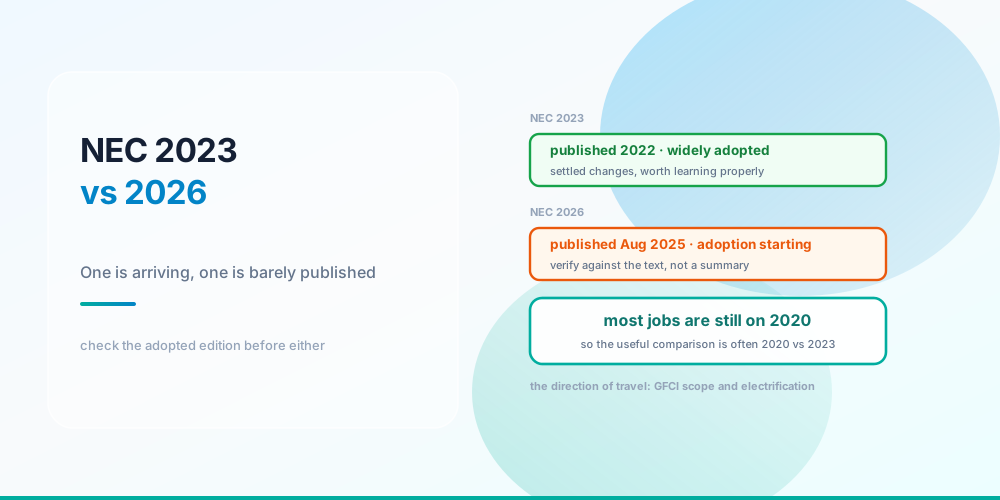
NEC 2026 was published in August 2025 and adoption has barely begun. For most jobs the live comparison is 2020 vs 2023 - and one 2023 change actually requires less than 2020 did.
- Where GFCI Protection Is Required (NEC 210.8, With the 2023 Changes)
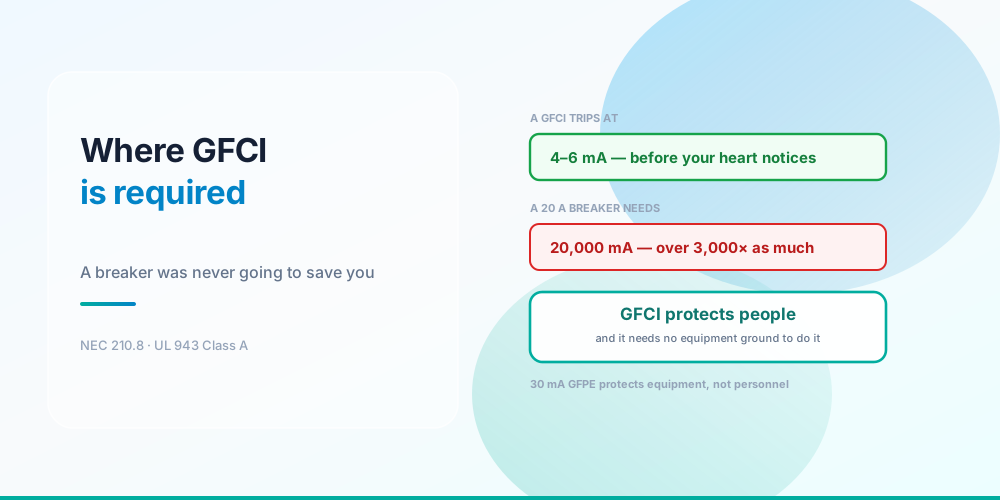
A GFCI trips at 4–6 mA; a 20 A breaker needs 20,000 mA. Here's every location 210.8 covers - and an honest account of which recent expansions your jurisdiction may have amended out.
Related resources
- 04 Aug, 2026
NEC 2023 vs 2026: The Changes That Affect Everyday Work
NEC 2026 was published in August 2025 and adoption has barely begun. For most jobs the live comparison is 2020 vs 2023 - and one 2023 change actually requires less than 2020 did.
- 04 Aug, 2026
Where GFCI Protection Is Required (NEC 210.8, With the 2023 Changes)
A GFCI trips at 4–6 mA; a 20 A breaker needs 20,000 mA. Here's every location 210.8 covers - and an honest account of which recent expansions your jurisdiction may have amended out.
Frequently asked questions
Common questions about Gfci requirements guides on the TradesQuote blog.
What will I find under Gfci requirements?+
This tag lists 2 published guides tagged or categorized as Gfci requirements. Topics typically include sizing, cost estimating, diagnostics, and practical contractor workflows tied to that subject.
Are these articles a substitute for code or engineered design?+
No. TradesQuote guides explain concepts and estimating shortcuts so you can work faster and communicate clearly. Always follow applicable codes, manufacturer instructions, and professional engineering requirements for the job.
How do these pages relate to TradesQuote tools?+
Many articles link to free HVAC or electrical calculators and to TradesQuote estimating features. Use the guides to understand the topic, then use the tools to produce numbers for proposals and field checks.