
TradesQuote Blog
- 07 Sep, 2026
Plumbing Formulas in Google Sheets: Stop Filling Down
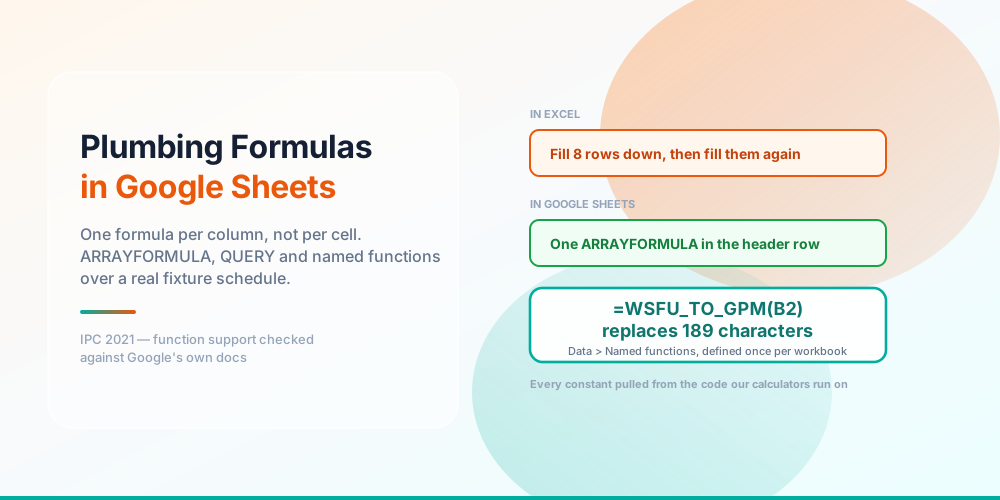
Every plumbing formula pastes into Google Sheets unchanged, so the interesting question is what you would build differently. One formula per column instead of one per cell, QUERY instead of a pivot table, and a 189-character interpolation collapsing to =WSFU_TO_GPM(B2).
- 06 Sep, 2026
Drain Cleaning Cost: What You Are Actually Paying For
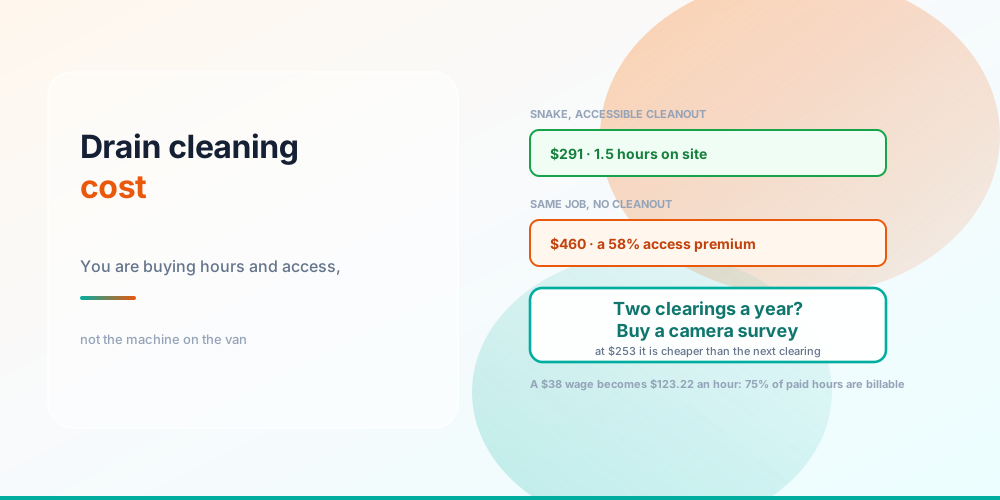
Snaking through an accessible cleanout prices at $291. The same work off a roof vent is $460 — a 58% premium bought entirely by access. And two clearings a year means buy a camera, not a third clearing.
- 06 Sep, 2026
Sewer Line Replacement Cost: How the Number Is Built
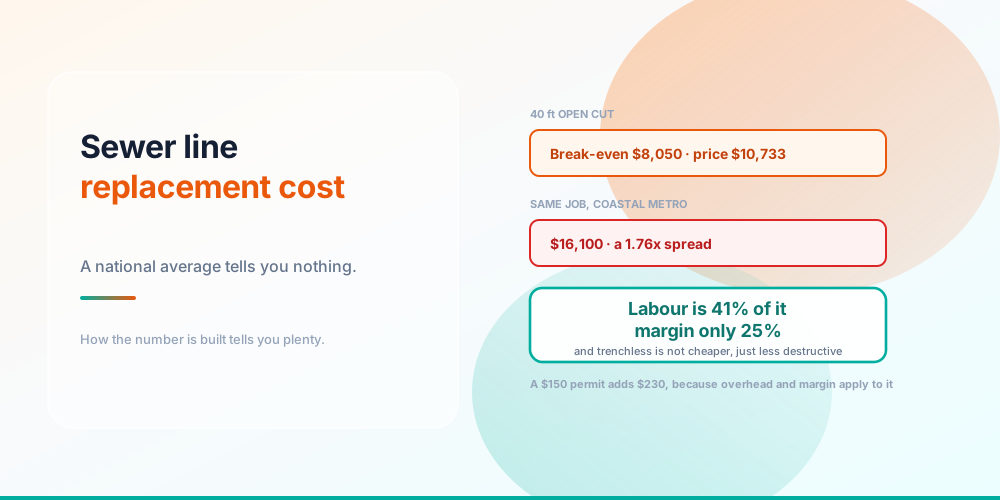
A 40-foot open-cut replacement breaks even at $8,050 and prices at $10,733 — labour is 41% of it and margin only 25%. The regional spread is wider than the difference between a 40 and a 70 foot run.
- 06 Sep, 2026
Sewer Smell in the House: Where It Comes From, In Order
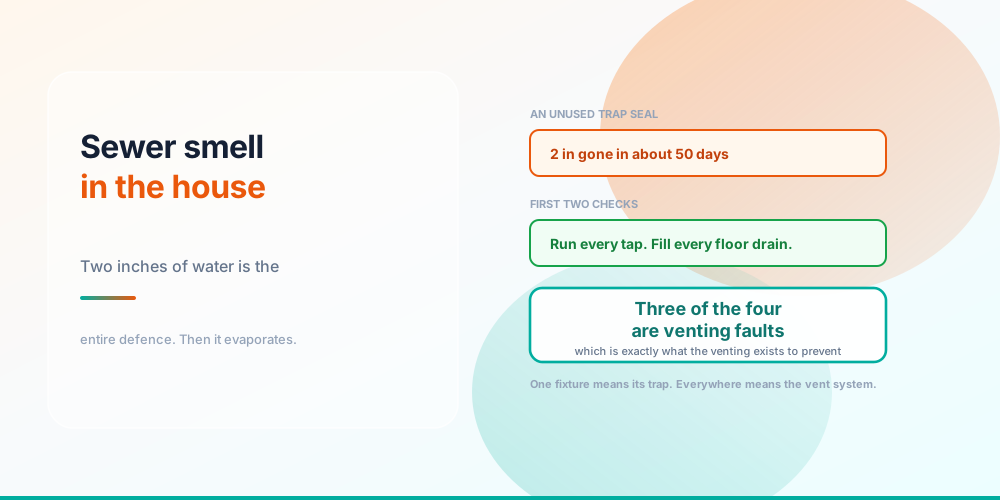
A trap seal is two inches of water and it evaporates away in about fifty days. Which is why the smell in the guest bathroom arrives after a holiday — and why the first two things to check cost nothing.
- 06 Sep, 2026
How Many GPM Does a Shower Use? And How Much of It Is Hot
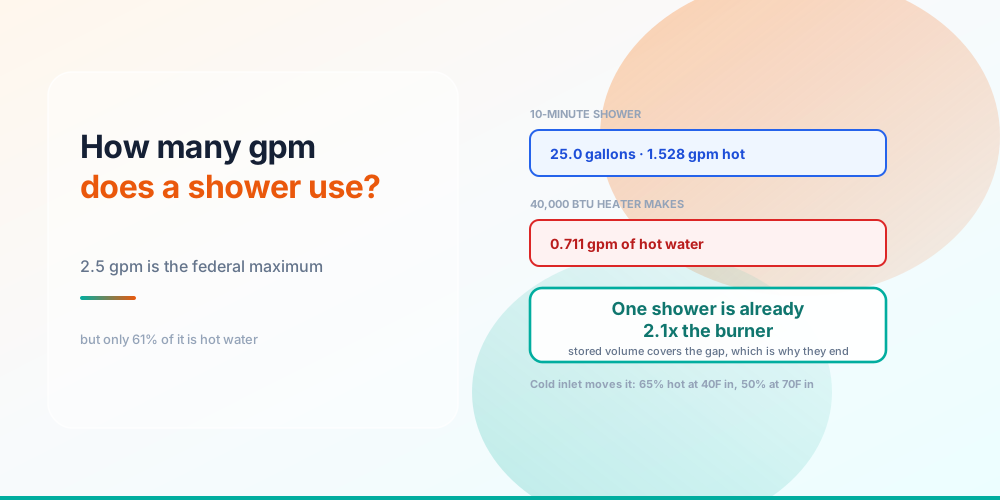
2.5 gpm is the federal maximum, so a ten-minute shower is 25 gallons. But only 1.528 gpm of it is hot — and that is already twice what a 40,000 BTU heater can make.
- 06 Sep, 2026
What Size Sump Pump Do I Need? Head First, Horsepower Second
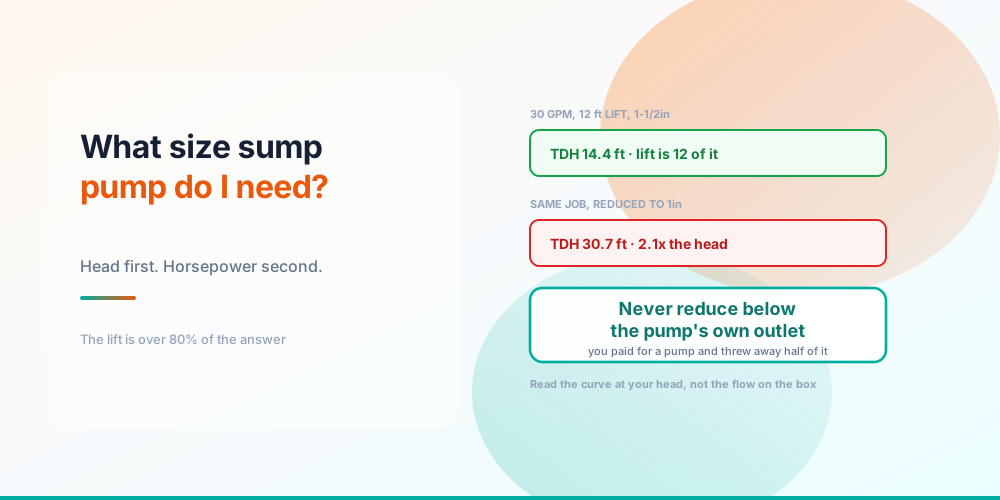
Thirty gpm up twelve feet through 40 ft of 1-1/2 inch PVC is 14.4 feet of total dynamic head — of which twelve is the lift. Reduce the discharge to 1-inch and the same job needs 30.7.
- 06 Sep, 2026
Plumbing Formulas in Excel: Which Ones Survive a Spreadsheet
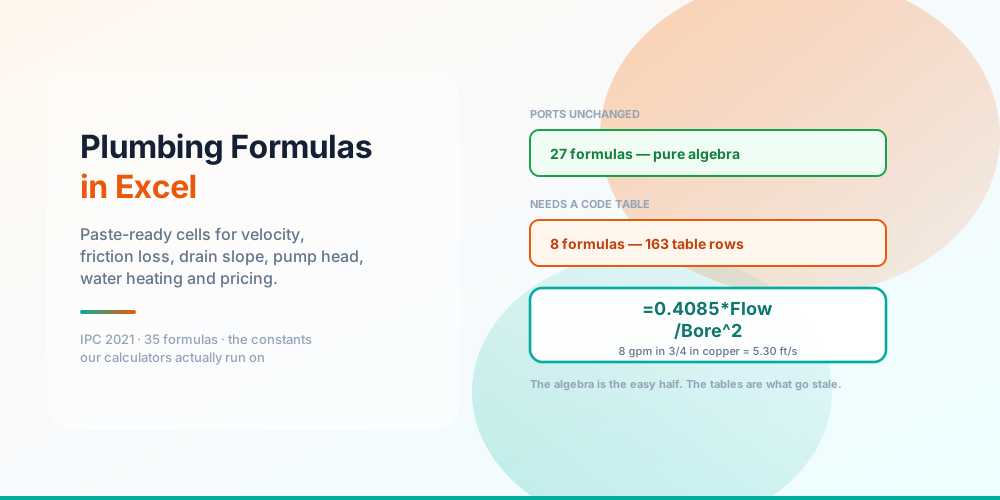
Twenty-seven of the thirty-five plumbing formulas paste into a cell unchanged. Eight are IPC code tables wearing a formula as a hat — and those are the ones that quietly go stale in your sheet.
- 06 Sep, 2026
Water Hammer: Why Pipes Bang, and What Actually Fixes It
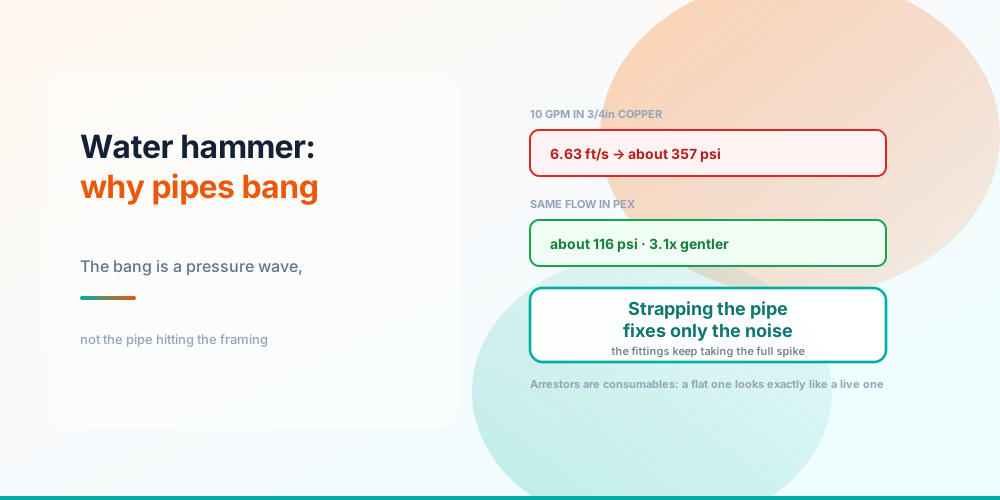
Slamming a valve at 10 gpm in 3/4-inch copper spikes the line to about 357 psi. The same flow in PEX gives 116. Strapping the pipe silences the bang and leaves the pressure untouched.
- 06 Sep, 2026
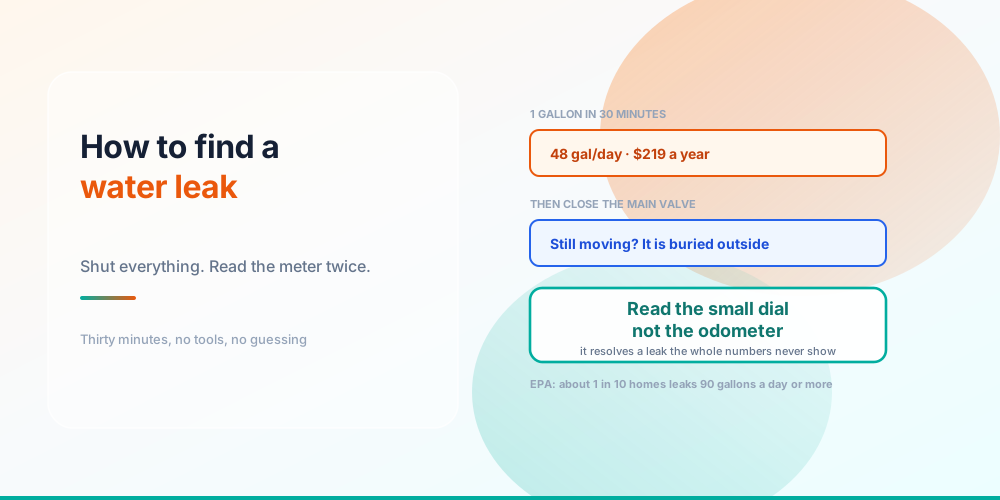
How to Find a Water Leak: The Meter Test, Step by Step
Shut everything, read the meter, wait thirty minutes. One gallon registered is 48 gallons a day and $219 a year — and closing the main valve tells you whether it is buried outside or inside the house.
- 06 Sep, 2026
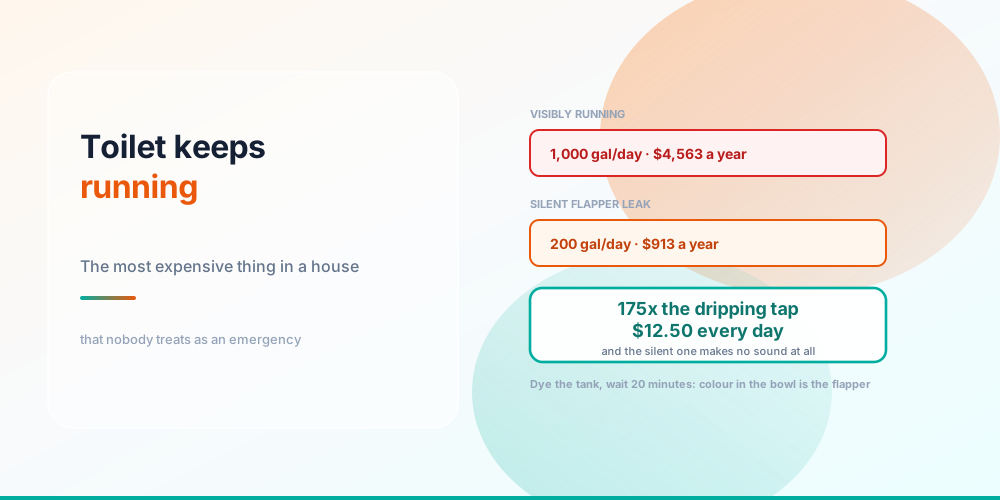
Toilet Keeps Running? What It Costs and How to Find the Cause
A visibly running toilet wastes 1,000 gallons a day — $4,563 a year on typical rates, 175 times the dripping tap you actually worry about. Here is the dye test that finds the cause in twenty minutes.
- 05 Sep, 2026
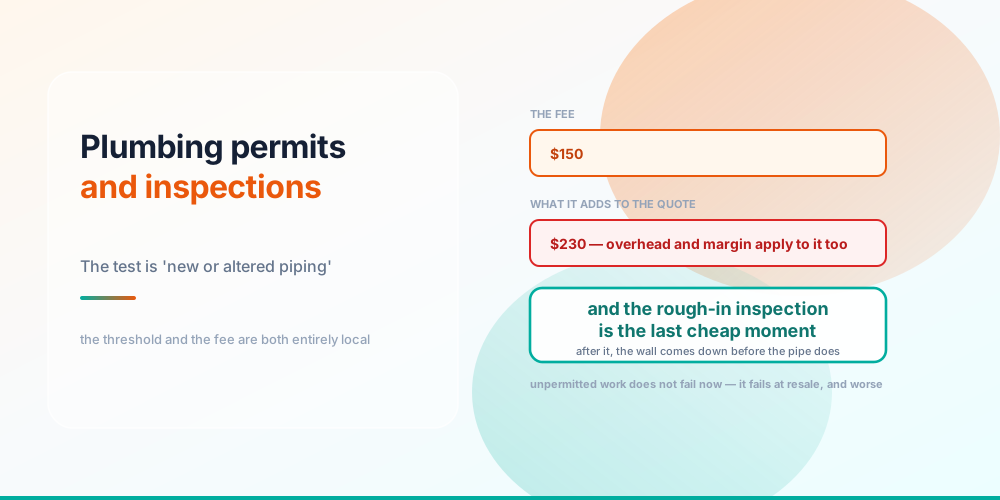
Plumbing Permits and Inspections: What Needs One and What It Costs
The test is usually 'new or altered piping'. And a permit is not a pass-through — a $150 fee adds about $230 to a quoted price, because overhead and margin apply to it like any other cost.
- 05 Sep, 2026
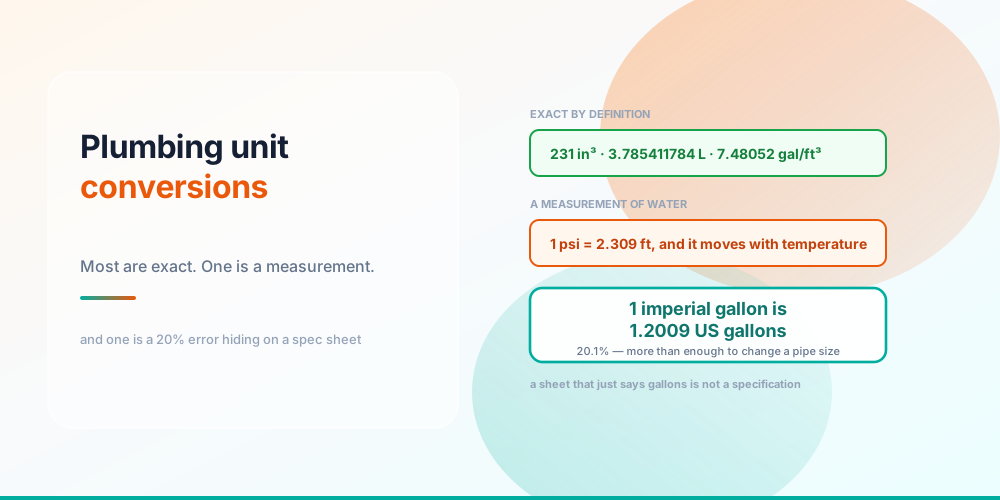
Plumbing Unit Conversions: GPM, LPM, PSI, Head — and the Imperial Gallon Trap
Most plumbing conversions are exact definitions. One is a measurement of water density, and one is a 20% error waiting on a spec sheet that only says 'gallons'.
- 05 Sep, 2026
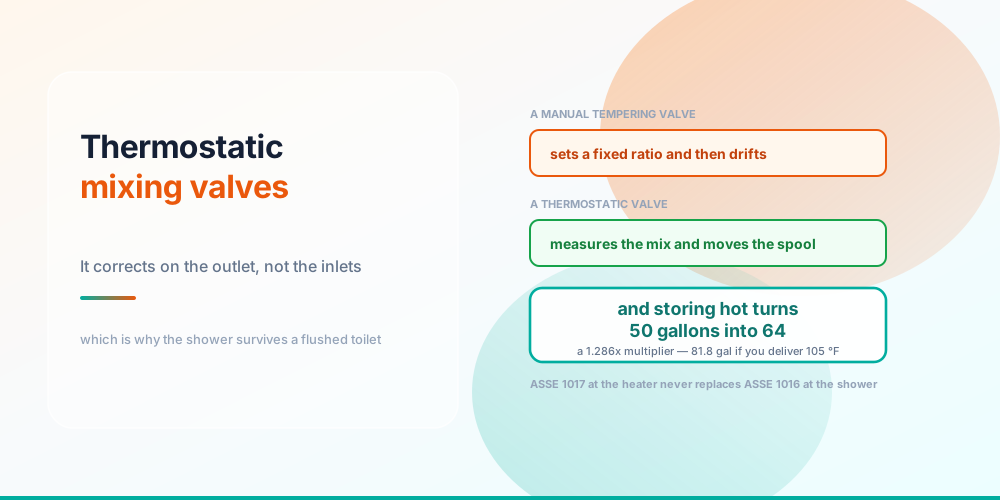
Thermostatic Mixing Valves: How Storing Hot Stretches a Tank
It corrects on the outlet, not the inlets — which is why it holds temperature when someone flushes a toilet. And it turns a 50 gallon tank into 64 gallons of usable water as a side effect.
- 05 Sep, 2026
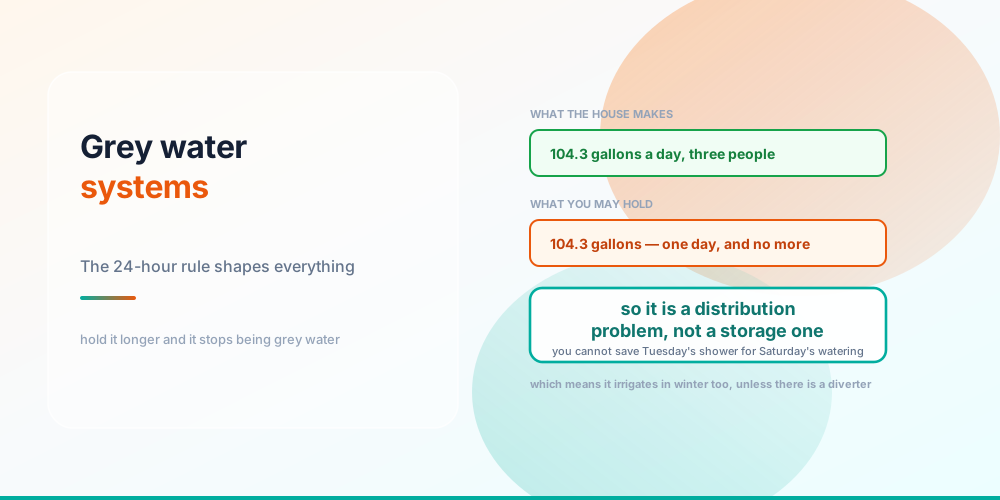
Grey Water Systems: The 24-Hour Rule That Shapes Everything
Untreated grey water goes septic within a day, so you may not store it. That single constraint makes grey water a distribution problem rather than a storage one — and explains every design decision.
- 05 Sep, 2026
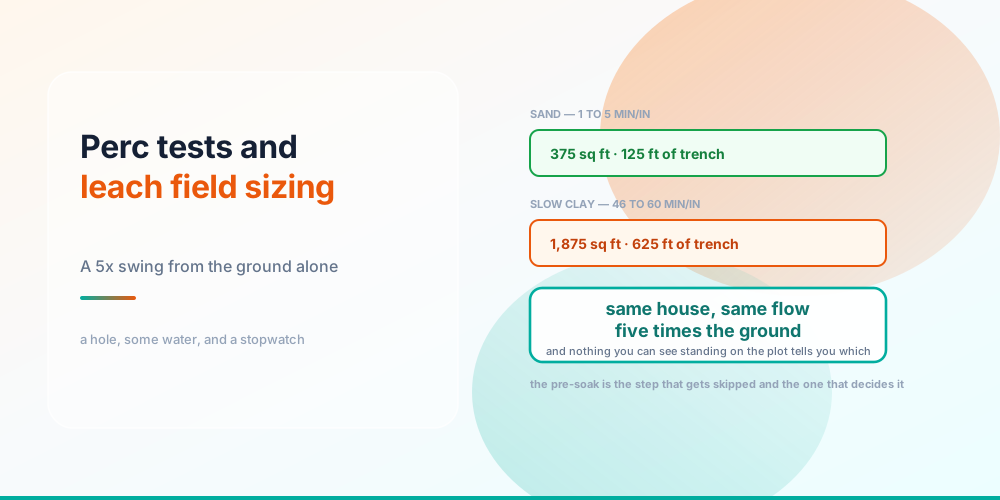
Perc Tests and Leach Field Sizing: A 5x Swing From the Ground Alone
The same three-bedroom house needs 375 square feet of field on sand and 1,875 on slow clay. Nothing you can see standing on the plot tells you which — that is why the test exists.
- 05 Sep, 2026
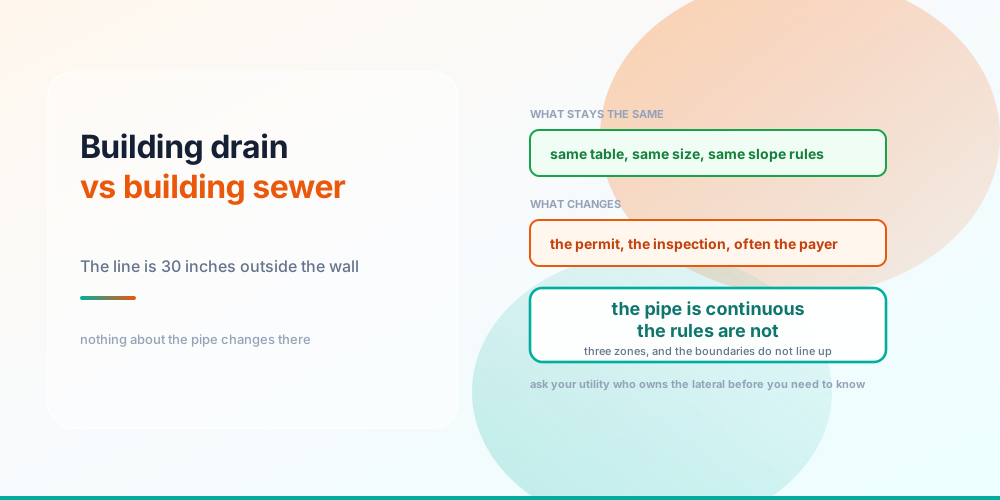
Building Drain vs Building Sewer: Where One Ends and the Other Starts
The boundary is 30 inches outside the wall. Nothing about the pipe changes there — the permit does, the inspection does, and on a bad day the question of who pays does.
- 05 Sep, 2026
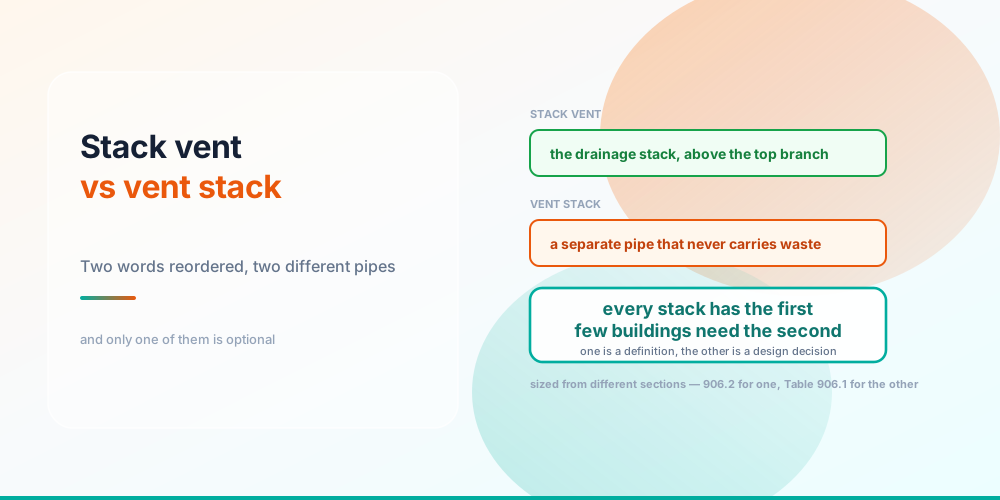
Stack Vent vs Vent Stack: Two Different Things With One Name
Two words in a different order, two different pipes. One is the drainage stack continuing upward; the other never touches waste at all — and only one of them is optional.
- 04 Sep, 2026
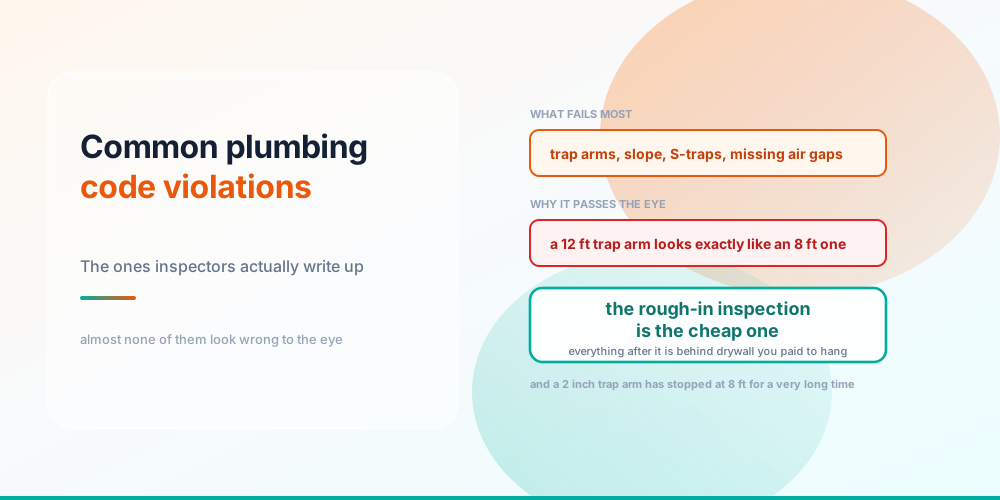
Common Plumbing Code Violations and Why Inspectors Catch Them
Almost none of them look wrong. Five of the seven most common failures need a tape measure to find — and the same defect costs far more after tile than it does at rough-in.
- 04 Sep, 2026
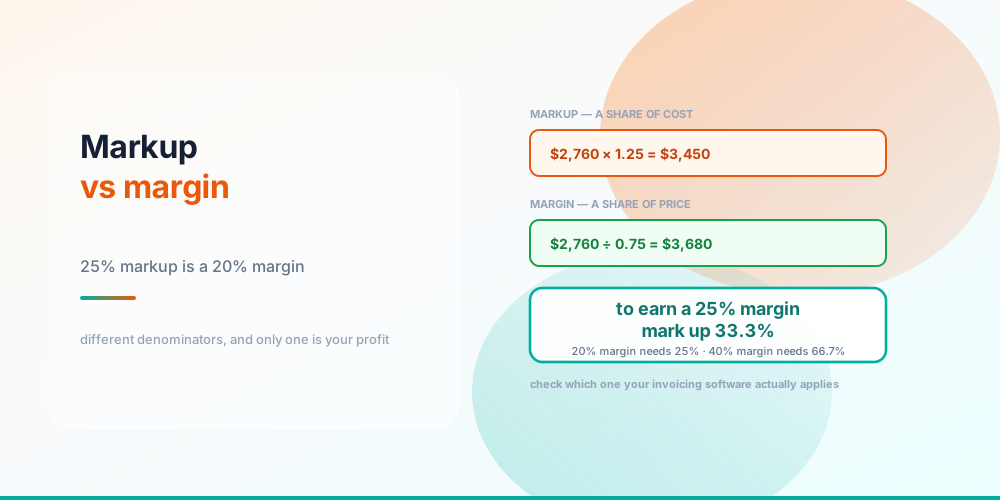
Markup vs Margin for Plumbers: 25% Markup Is a 20% Margin
Same profit, two denominators, and they can never be equal. The conversion both ways, why the gap widens with ambition, and what a 25% mix-up costs across a year of ordinary work.
- 04 Sep, 2026
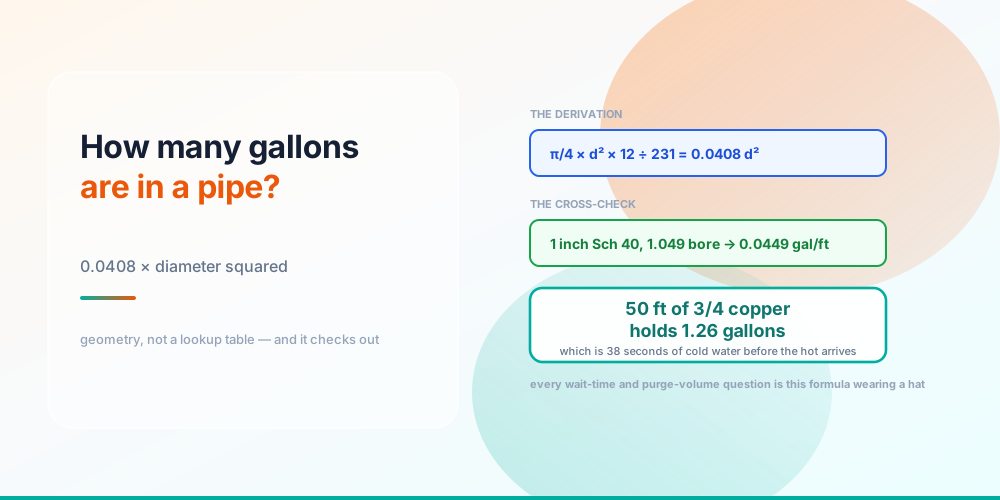
How Many Gallons Are in a Pipe? 0.0408 x Diameter Squared
The constant is geometry, not a lookup table — π/4 × d² × 12 ÷ 231. Use the bore, never the nominal size, and the same figure gives you wait time, purge volume and the weight on your hangers.