
TradesQuote Blog
- 06 Aug, 2026
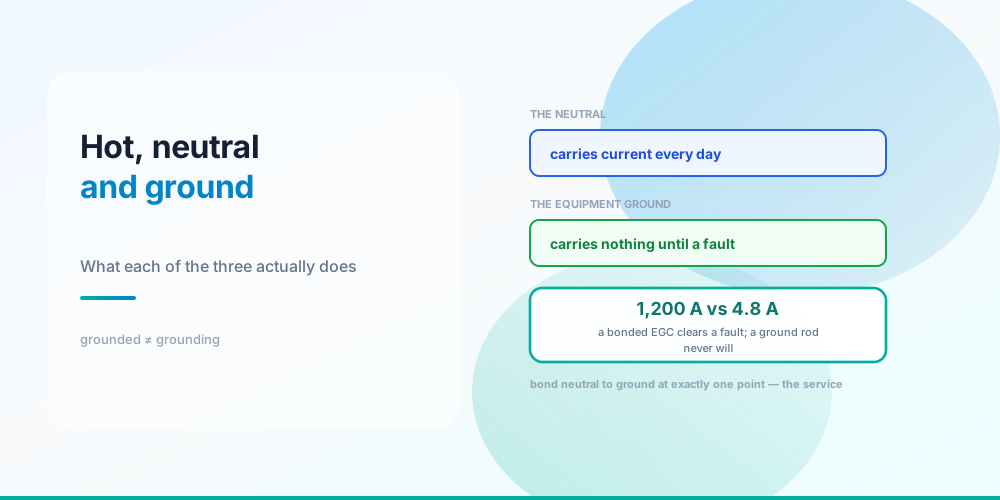
Hot, Neutral and Ground: What Each Wire Actually Does
The neutral carries current every second the load runs. The ground carries none until something fails. Both connect to earth - which is exactly why swapping them looks fine and isn't.
- 06 Aug, 2026
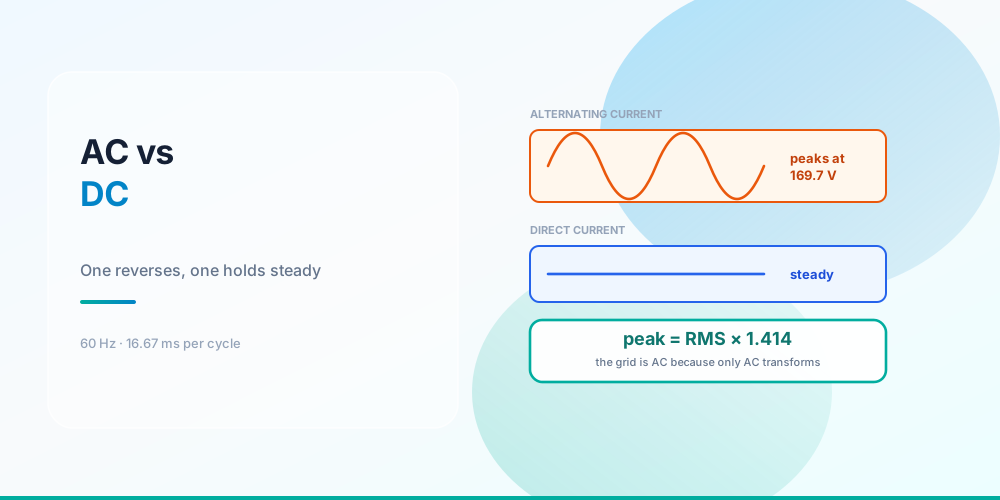
AC vs DC: What Alternating Current Actually Means
Your 120 V outlet peaks at 169.7 V and reverses 120 times a second. What RMS really measures, why the grid is AC, and why DC arcs are the dangerous ones.
- 06 Aug, 2026
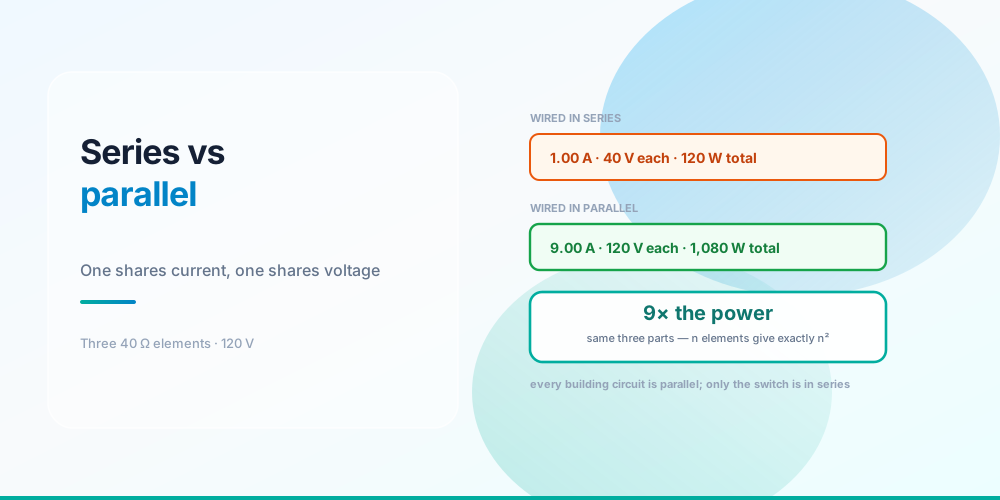
Series vs Parallel Circuits: Why Every Building Is Wired in Parallel
Three 40 Ω elements draw 120 W in series and 1,080 W in parallel - nine times the power from identical parts. The rule that separates them, and the one series circuit you never wanted.
- 05 Aug, 2026
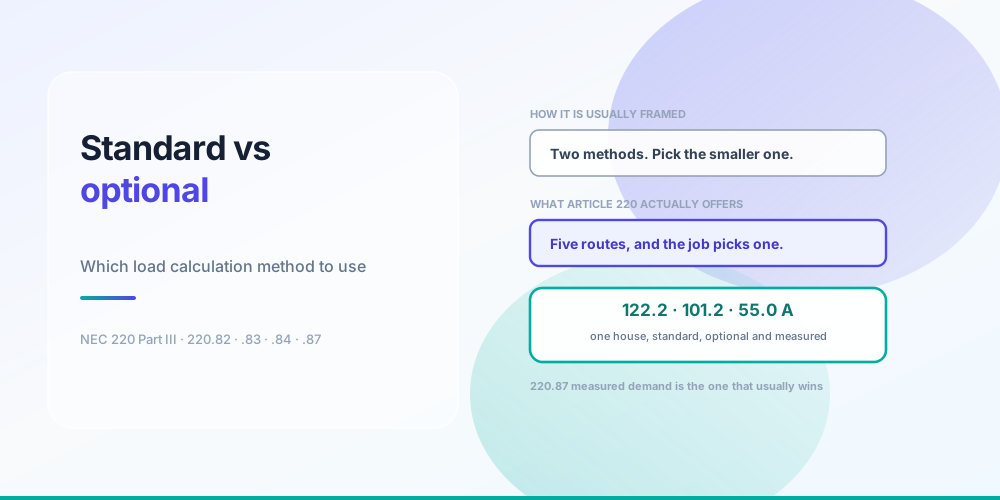
Standard vs Optional Load Calculation: Which Method to Use
It isn't a choice between two methods - Article 220 has five, and the situation usually picks one. When 220.83 beats 220.82, why 220.87 wins on any existing service, and when the method changes the answer.
- 05 Aug, 2026
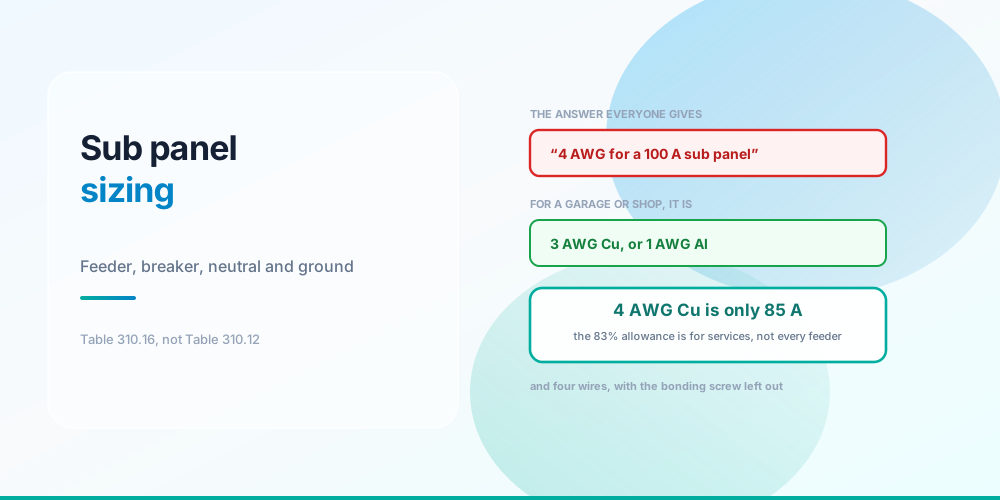
Sub Panel Sizing: Feeder Wire, Breaker, Neutral, and Ground
"4 AWG for a 100 A sub panel" is wrong for a garage - that needs 3 AWG copper. Why the Table 310.12 83% allowance doesn't reach an ordinary subpanel, plus the four-wire feeder and the bonding screw.

- 05 Aug, 2026
Lumens per Square Foot: Footcandle Targets Room by Room
A footcandle IS one lumen per square foot - there is nothing to convert. Targets from 10 fc in a hallway to 50 in a workshop, and why the spacing grid usually decides the fixture count anyway.
- 05 Aug, 2026
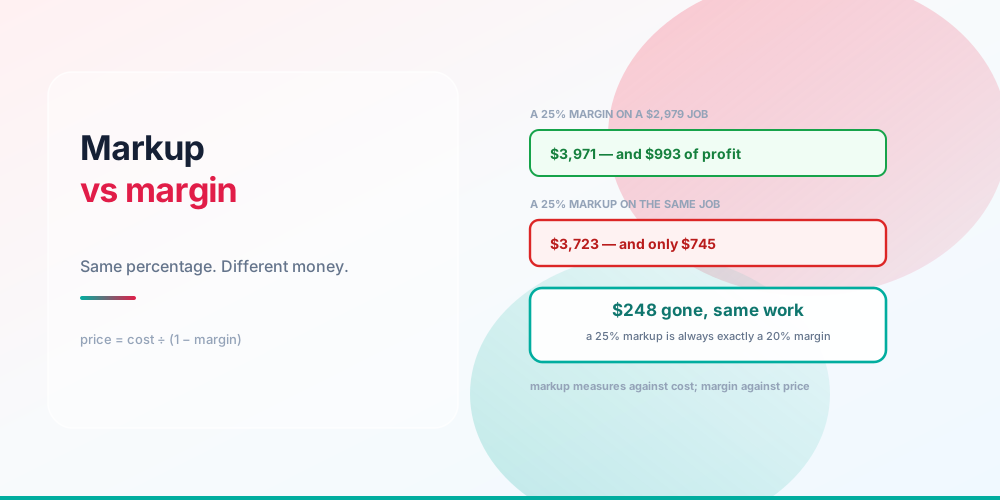
Markup vs Margin: How Electrical Contractors Price Jobs
A 25% markup is a 20% margin - always, exactly, and $248 less profit on the same job. The conversion in both directions, why overhead has to be inside break-even, and the multipliers worth memorising.
- 05 Aug, 2026
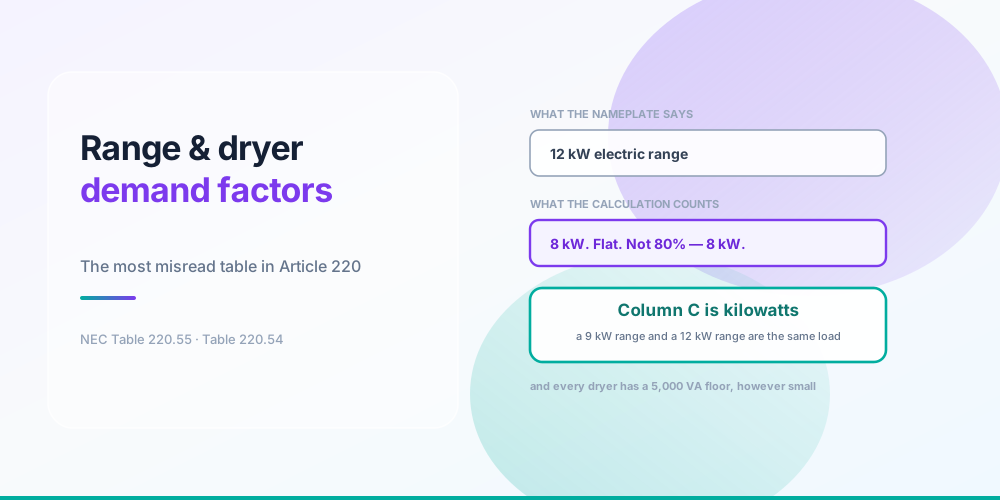
Range and Dryer Demand Factors: NEC 220.54 and 220.55
A 12 kW range counts as 8 kW - Column C is a demand in kilowatts, not a percentage. Why every dryer has a 5,000 VA floor, and how both tables strip 71% off a ten-unit building.
- 05 Aug, 2026
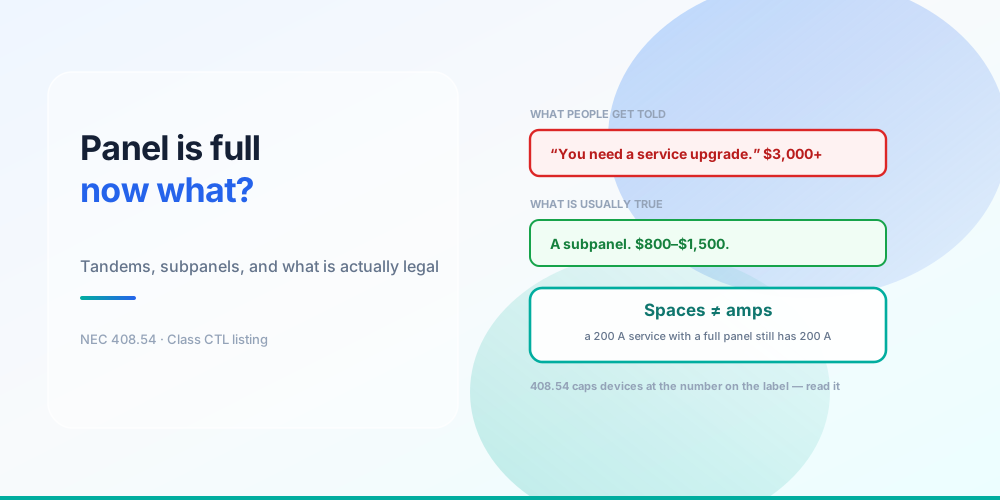
Panel Is Full: Tandem Breakers, Subpanels, and What's Actually Legal
A full panel is a wire-landing problem, not a capacity problem - a 200 A service with a full panel still has 200 A. What NEC 408.54 caps, why Class CTL slots reject tandems, and why a subpanel usually beats an upgrade.
- 05 Aug, 2026
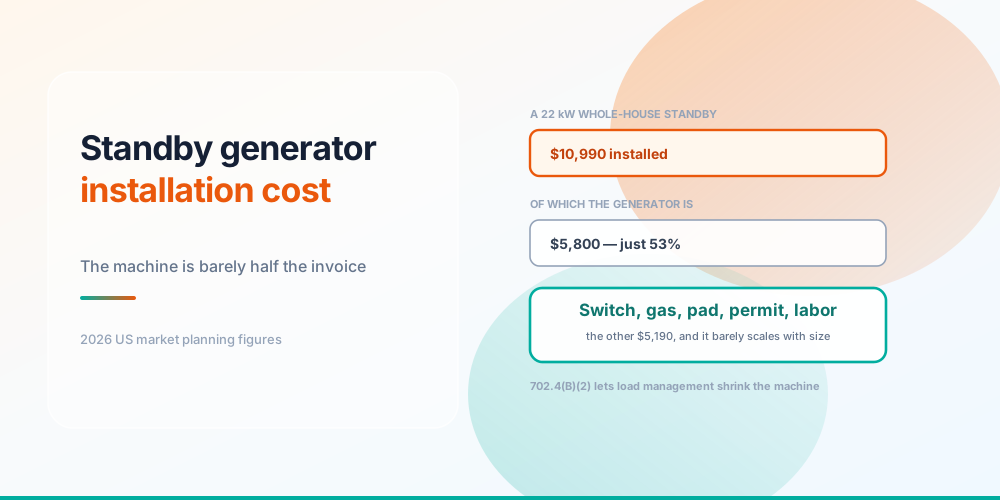
Standby Generator Installation Cost: Unit, ATS, Gas, Pad, Permit
A 22 kW whole-house standby runs about $10,990 installed - and the generator is only 53% of it. What the transfer switch, gas run, pad, permit and labour actually add, line by line.

- 05 Aug, 2026
Solar String Sizing: Cold-Weather Voc and Hot-Weather Vmp Limits
Cold sets the maximum modules per string and heat sets the minimum. Why NEC 690.7 makes you design to the record low, and why Table 690.7(A) costs you a module when the datasheet is right there.
- 05 Aug, 2026
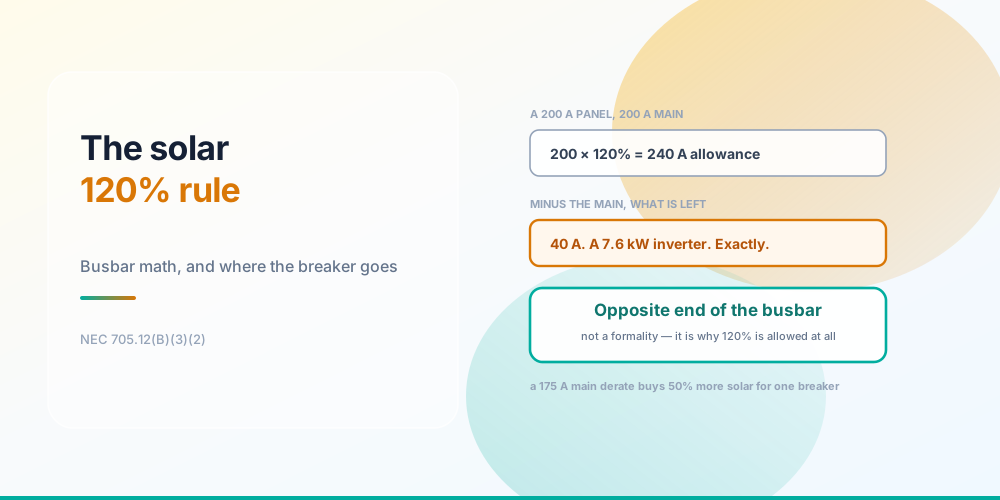
The Solar 120% Rule: NEC 705.12 Busbar Math, Done Right
A 200 A panel with a 200 A main allows exactly 40 A of PV breaker - a 7.6 kW inverter, and not one amp more. Why opposite-end placement is the entire justification, and the three fixes when it fails.
- 05 Aug, 2026
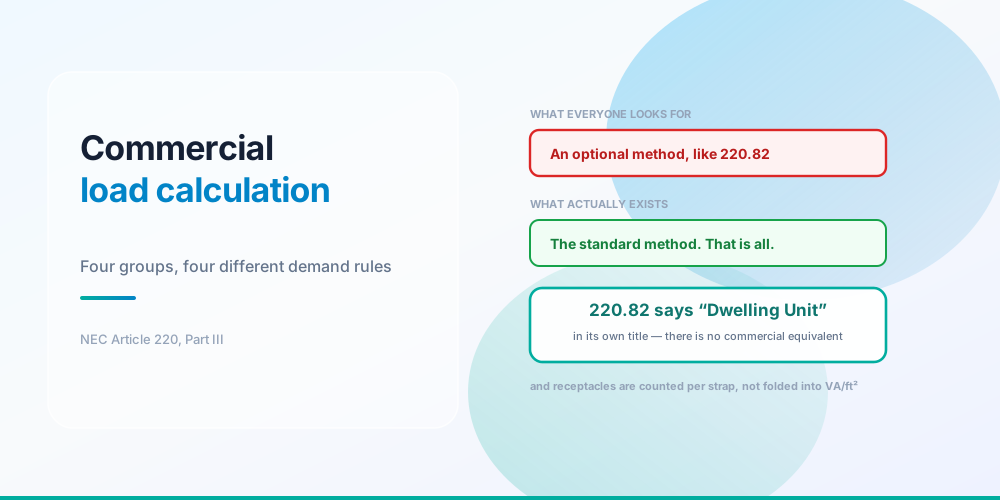
Commercial Load Calculation: VA per Square Foot by Occupancy
There is no optional method for a commercial building - 220.82 is a dwelling shortcut. The standard method in four groups, each with its own demand factor, worked on a real 5,000 ft² store.
- 04 Aug, 2026
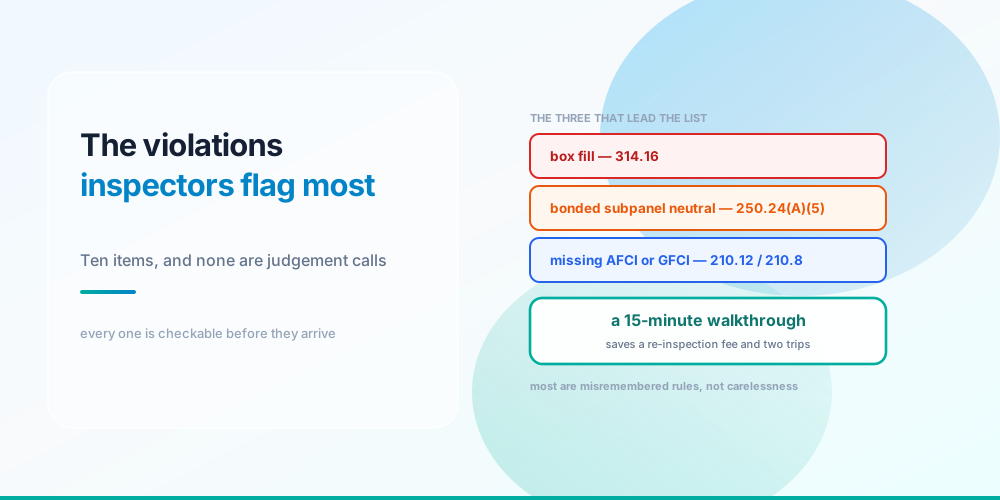
The 10 NEC Violations Inspectors Flag Most
Box fill leads the list, and the worked case lands on exactly 18.00 in³ - the limit of an 18.0 in³ box. All ten are misremembered rules rather than carelessness, and all ten are checkable in advance.
- 04 Aug, 2026
NEC 2023 vs 2026: The Changes That Affect Everyday Work
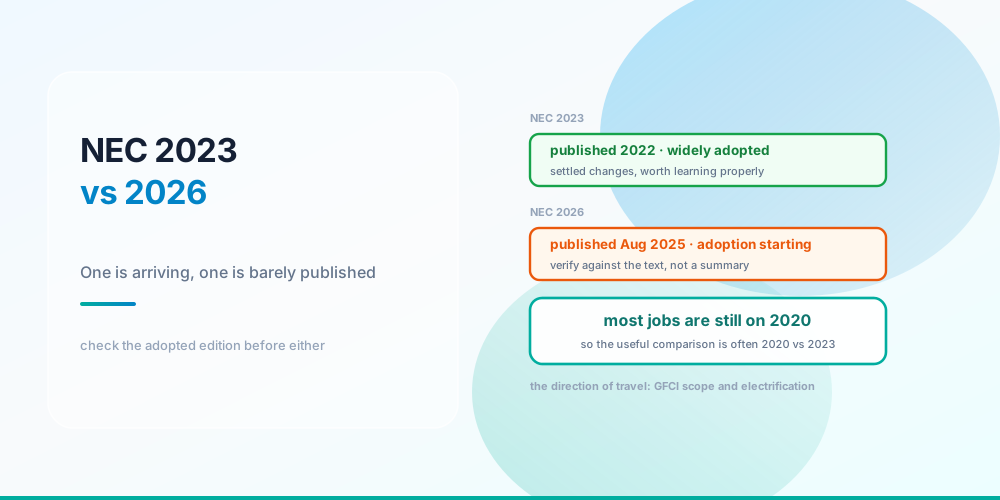
NEC 2026 was published in August 2025 and adoption has barely begun. For most jobs the live comparison is 2020 vs 2023 - and one 2023 change actually requires less than 2020 did.
- 04 Aug, 2026
NEC Adoption by State: Which Code Cycle Applies to You
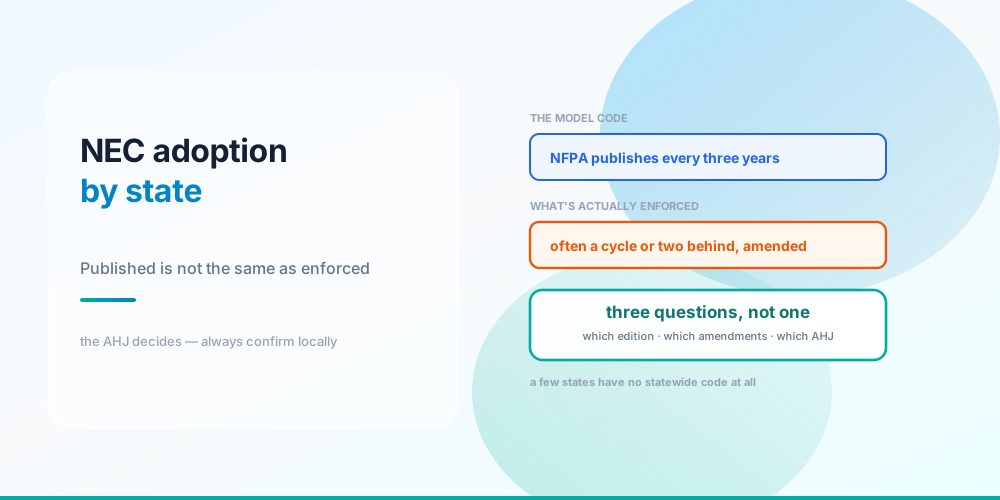
The NEC is a model standard, not law. Adoption lags publication by years, states amend it, and locals amend again - so several editions are always in force at once. Here's how to find yours.
- 04 Aug, 2026
Electrical Permits and Inspections: What Gets Failed and Why
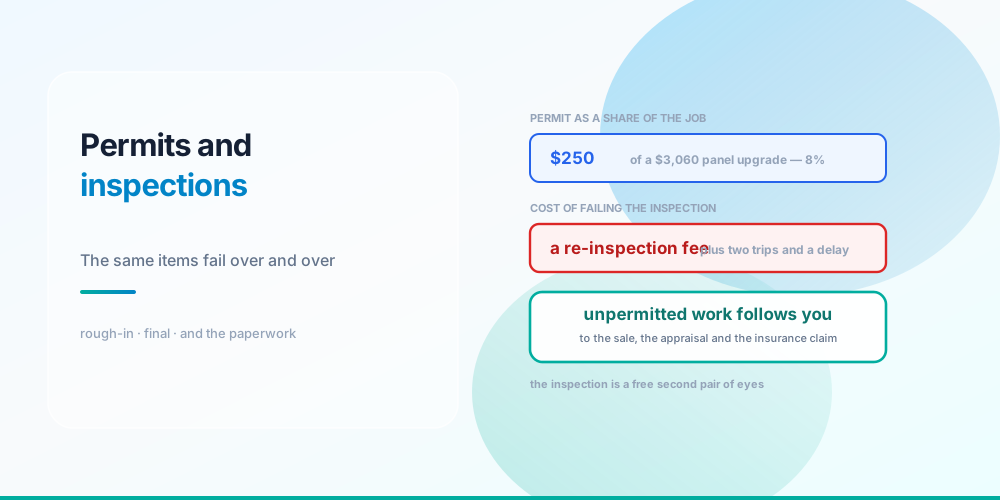
The same nine items fail over and over, and none of them are judgement calls. Walk the job against the list before calling the inspector - the fee is rarely the real cost, the schedule is.
- 04 Aug, 2026
Flat Rate vs Time and Materials for Electrical Service Work
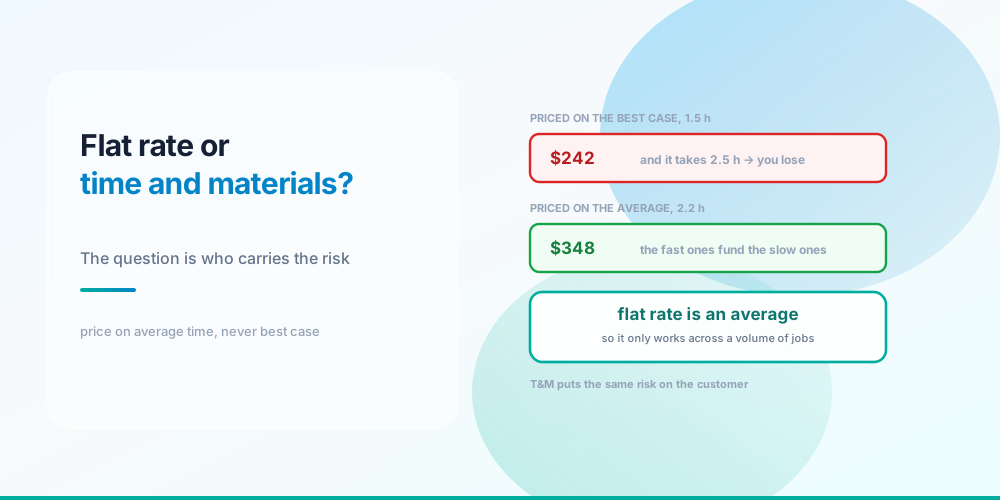
Ten instances of the same job averaged 2.2 h but the commonest was 1.5 h. Price a flat rate on the mode and you lose money across the ten - flat rate is a bet on your average.
- 04 Aug, 2026
Electrical Labor Units: NECA MLU vs Your Own Job History
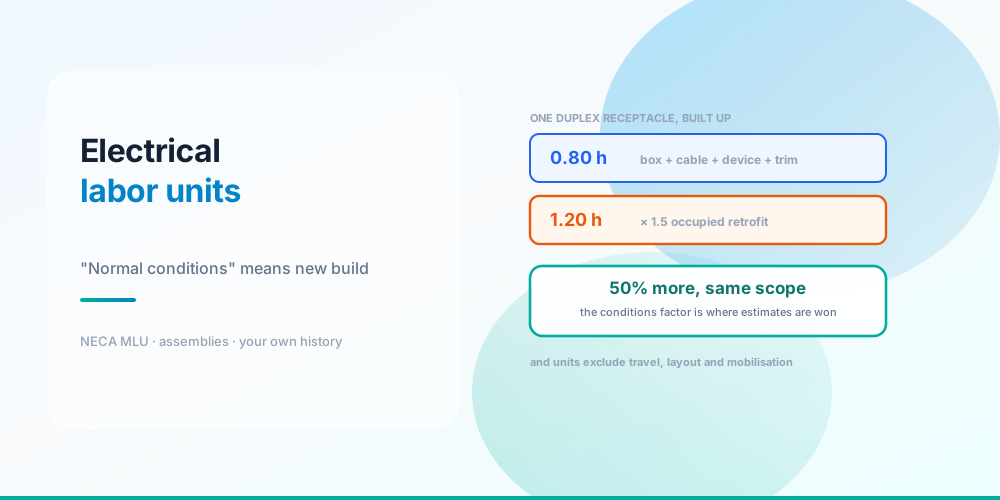
A 0.80 h receptacle assembly becomes 1.56 h in an occupied retrofit with high ceilings, because conditions factors multiply. Published units assume new construction - which describes almost no service job.
- 04 Aug, 2026
Cost to Install an Outlet or Add a Dedicated Circuit
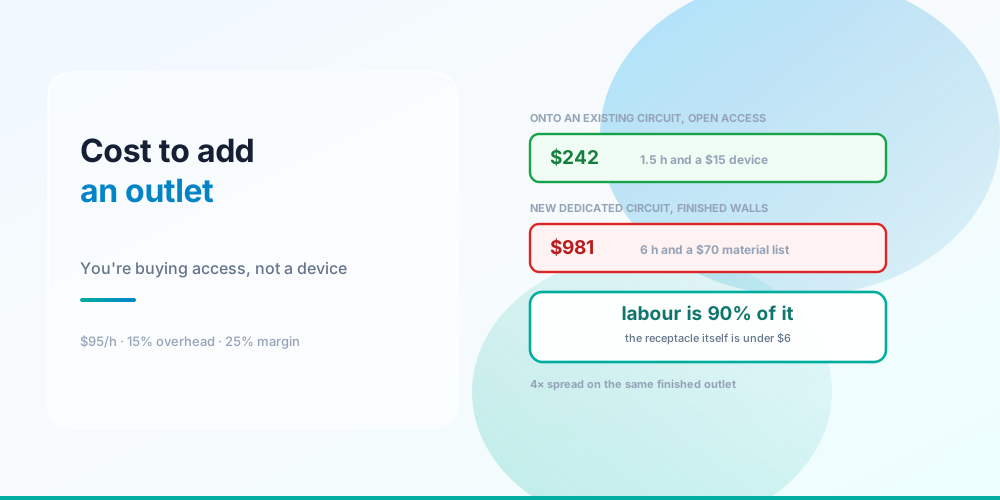
$242 to tap an existing circuit, $981 for a new dedicated circuit through finished walls. The receptacle costs $6 - labour is 90% of the price, and access is what you're really buying.