
Showing Posts From
Nec
NEC-tagged posts translate code concepts into jobsite language — ampacity, protection, continuous loads, and other rules that shape how you design and price electrical work.
They are references for learning and estimating, not a substitute for the published code book or local amendments.
Guides in this tag
- What Size Wire and Breaker for an EV Charger?
A 48 A charger needs a 60 A breaker on 6 AWG copper - because 625.41 makes EV charging continuous by rule. Plus the two traps: 6/3 Romex is not enough for 60 A, and a 50 A charger costs more than a 48 A one.
- Electrical Formulas Cheat Sheet: Ohm's Law to Three-Phase
Every formula an electrician actually uses, in the order they get applied - Ohm's law, conversions, ampacity and derating, voltage drop, load calculation, fill, grounding and pricing. With the scope limits most cheat sheets leave out.
- Amps to Watts: Conversion With Voltage and Power Factor
Watts = volts × amps × power factor. But amps × volts always gives volt-amperes, and only unity power factor makes them equal - plus why a 20 A breaker is 2,400 W on paper and 1,920 W in practice.
- Watts to Amps: The Formula for DC, Single-Phase, and Three-Phase
Amps = watts ÷ volts on DC, ÷ (volts × power factor) on single-phase, ÷ (1.732 × volts × PF) on three-phase. Plus the part that actually matters: why the amps you get are not the breaker size.
- Ground Wire Size Chart: EGC vs GEC (250.122 and 250.66)
Two different conductors get called the ground wire. The EGC comes from Table 250.122 by breaker rating; the GEC comes from Table 250.66 by service conductor size, then gets capped by which electrode it lands on.
- GFCI vs AFCI: What Each Protects and Where the NEC Requires It
GFCI detects current leaking out of a circuit and protects people; AFCI detects arcing and protects property. Which the NEC requires in each area of a dwelling, why kitchens need both, and how to diagnose nuisance trips.
Related resources
- 04 Aug, 2026
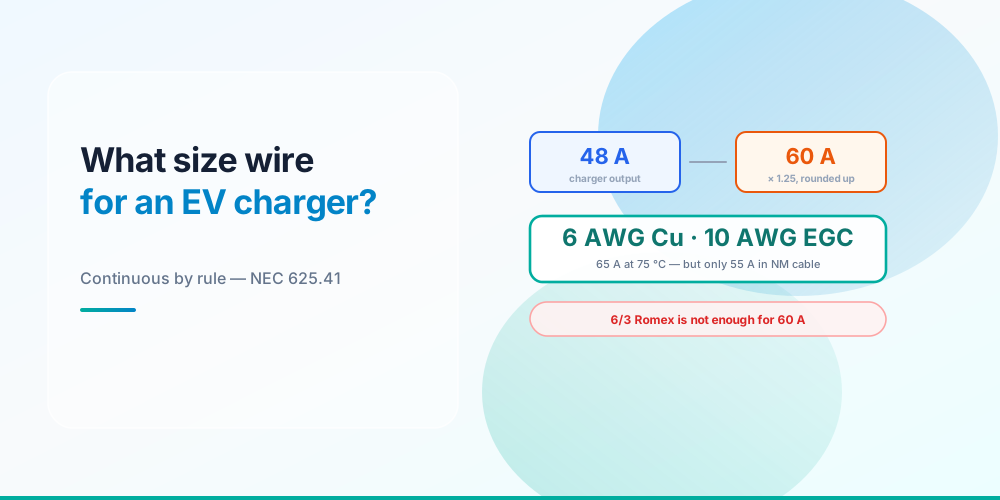
What Size Wire and Breaker for an EV Charger?
A 48 A charger needs a 60 A breaker on 6 AWG copper - because 625.41 makes EV charging continuous by rule. Plus the two traps: 6/3 Romex is not enough for 60 A, and a 50 A charger costs more than a 48 A one.
- 04 Aug, 2026
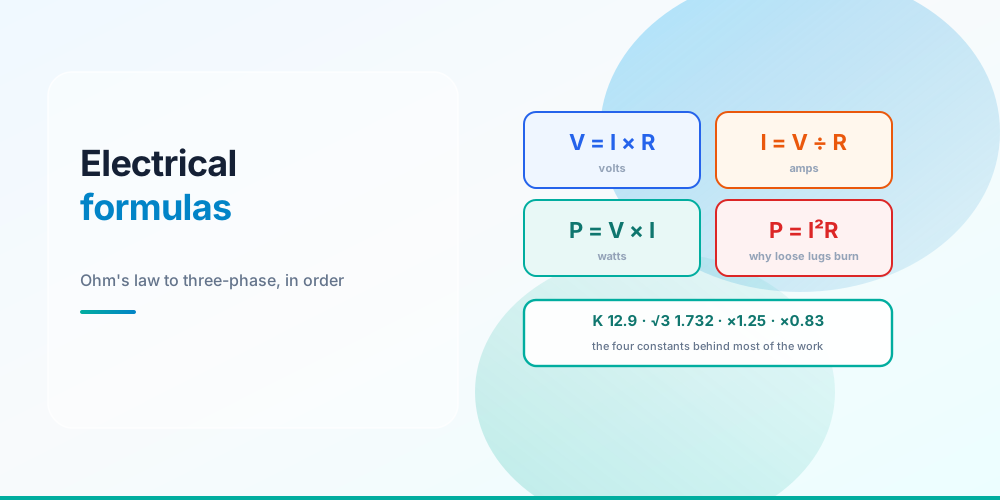
Electrical Formulas Cheat Sheet: Ohm's Law to Three-Phase
Every formula an electrician actually uses, in the order they get applied - Ohm's law, conversions, ampacity and derating, voltage drop, load calculation, fill, grounding and pricing. With the scope limits most cheat sheets leave out.
- 04 Aug, 2026
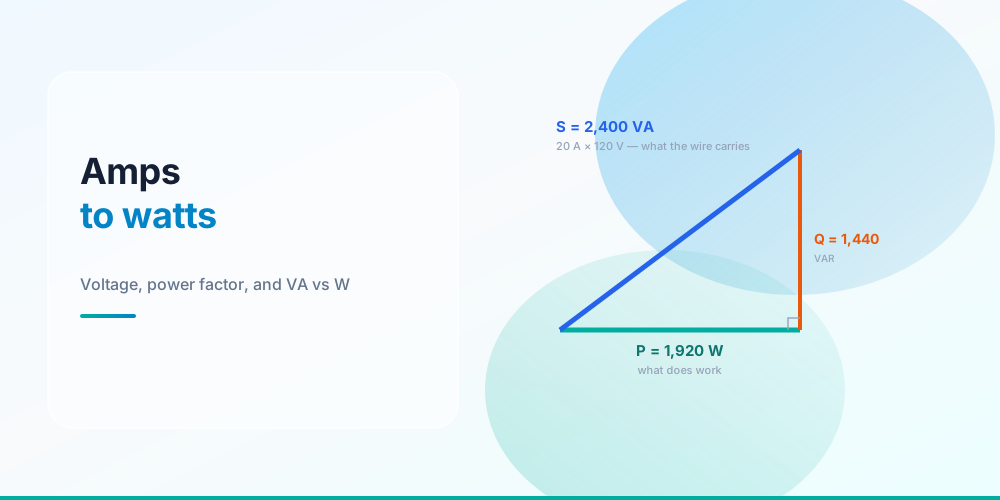
Amps to Watts: Conversion With Voltage and Power Factor
Watts = volts × amps × power factor. But amps × volts always gives volt-amperes, and only unity power factor makes them equal - plus why a 20 A breaker is 2,400 W on paper and 1,920 W in practice.
- 04 Aug, 2026
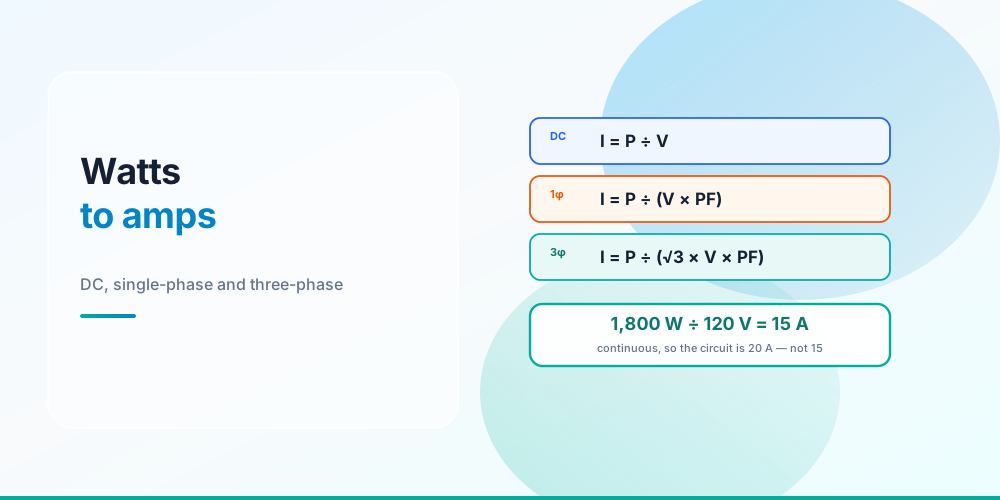
Watts to Amps: The Formula for DC, Single-Phase, and Three-Phase
Amps = watts ÷ volts on DC, ÷ (volts × power factor) on single-phase, ÷ (1.732 × volts × PF) on three-phase. Plus the part that actually matters: why the amps you get are not the breaker size.
- 03 Aug, 2026
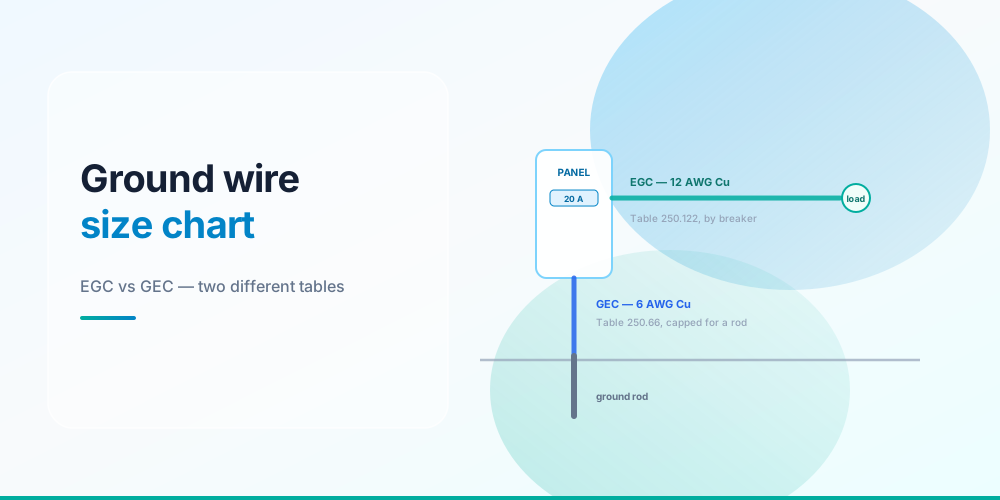
Ground Wire Size Chart: EGC vs GEC (250.122 and 250.66)
Two different conductors get called the ground wire. The EGC comes from Table 250.122 by breaker rating; the GEC comes from Table 250.66 by service conductor size, then gets capped by which electrode it lands on.

- 03 Aug, 2026
GFCI vs AFCI: What Each Protects and Where the NEC Requires It
GFCI detects current leaking out of a circuit and protects people; AFCI detects arcing and protects property. Which the NEC requires in each area of a dwelling, why kitchens need both, and how to diagnose nuisance trips.
- 03 Aug, 2026
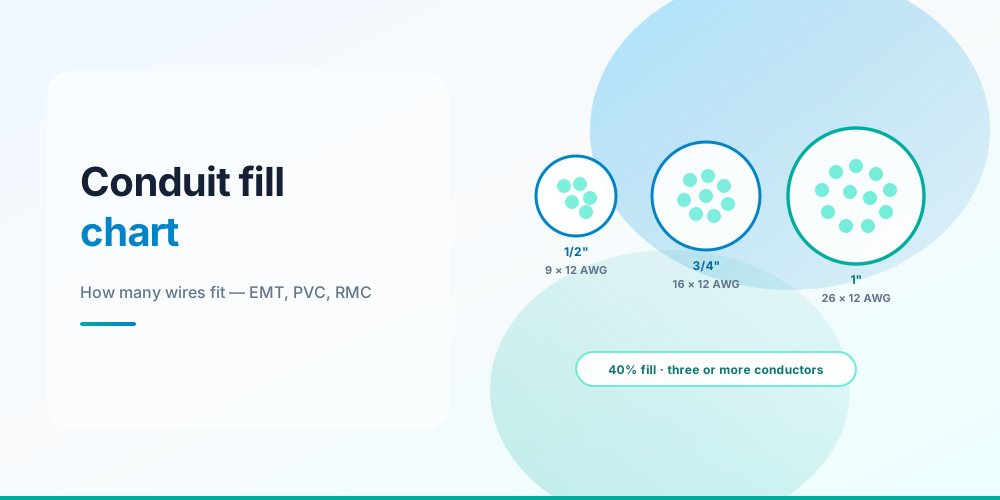
Conduit Fill Chart: How Many Wires Fit in EMT, PVC, and RMC
Maximum THHN conductors for every common trade size of EMT, PVC, and RMC, plus the Chapter 9 Table 1 fill limits, the 60% nipple allowance, and why bundling derating usually limits you before fill does.
- 03 Aug, 2026
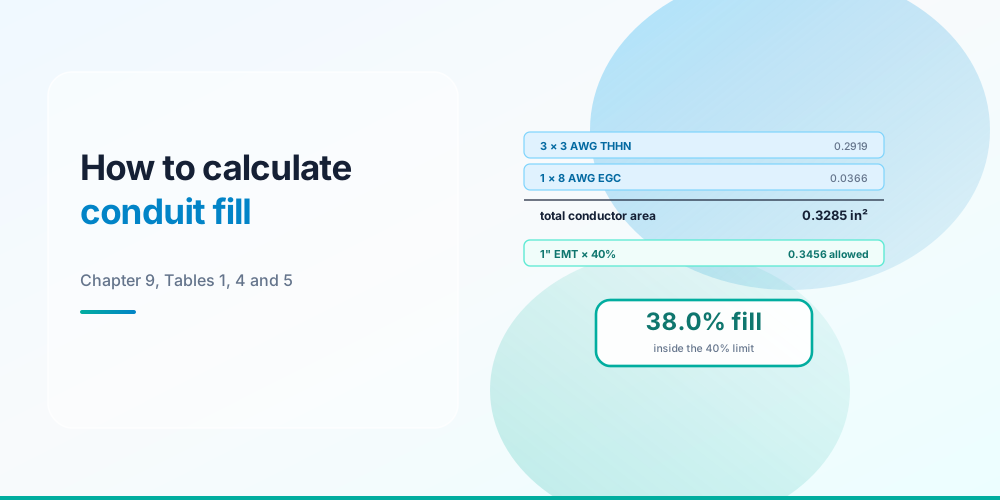
How to Calculate Conduit Fill (NEC Chapter 9, Tables 1, 4, and 5)
The Chapter 9 area method in four steps, worked on mixed conductor sizes where Annex C can't help. Includes the 60% nipple allowance and the Note 7 rounding rule that explains why Annex C sometimes reads one conductor higher.
- 03 Aug, 2026
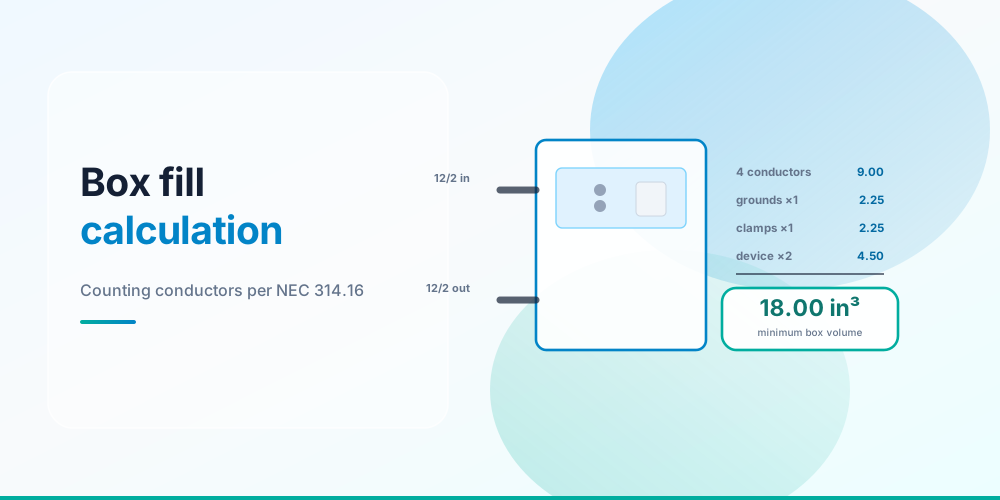
Box Fill Calculation: Counting Conductors per NEC 314.16
How to calculate box fill: the Table 314.16(B) volume allowances, what counts as one, what counts as two, what counts as nothing, and a worked single-gang example that lands on 18.00 cubic inches.
- 03 Aug, 2026
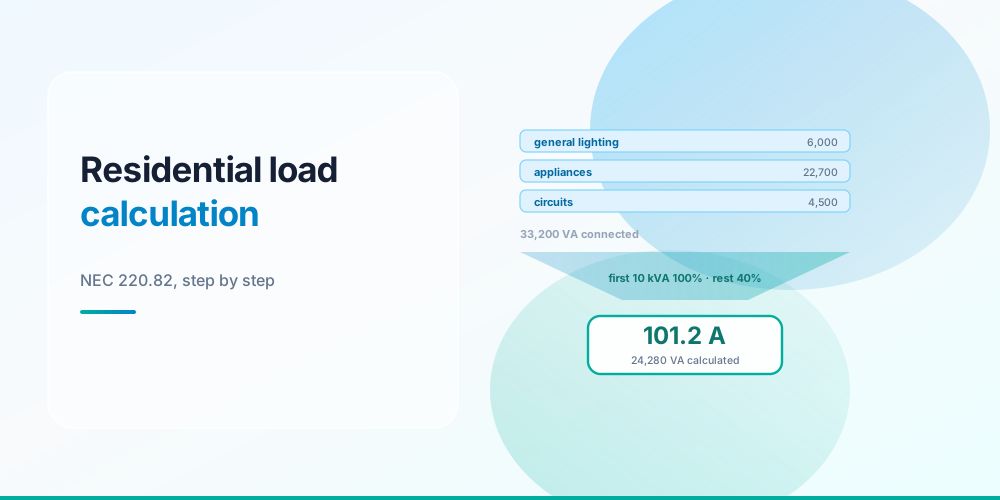
Residential Load Calculation: NEC 220.82 Step by Step
Both legal methods worked on the same house: the 220.82 optional calculation and the standard Part III method with its per-category demand factors. Why a 12 kW range counts as 8 kW, and why the two methods land 21 amps apart.
- 03 Aug, 2026
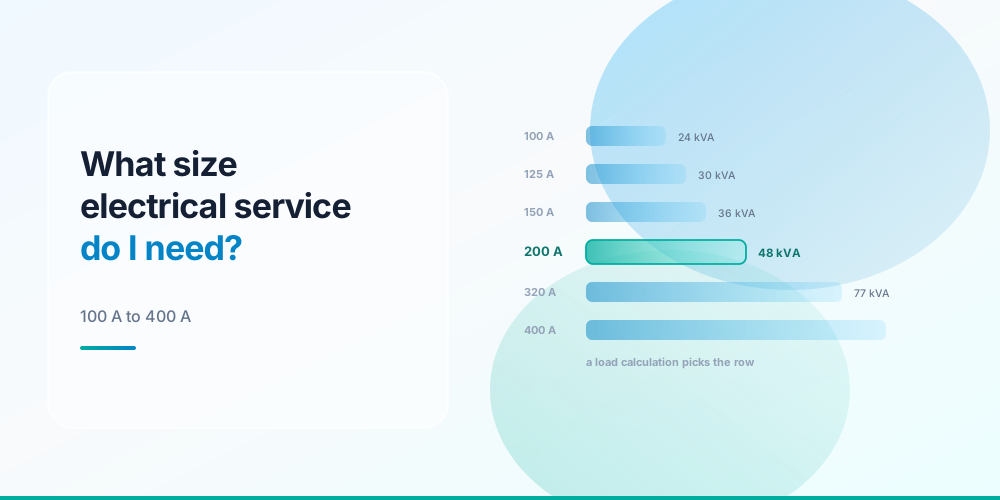
What Size Electrical Service Do I Need? 100 A to 400 A
Every standard residential service rating from 100 A to 400 A, what each one covers, the 230.79(C) minimum, why a 320 A meter is called a 400 A service, and why the service rating, main breaker, and panel busbar are three different numbers.
- 03 Aug, 2026
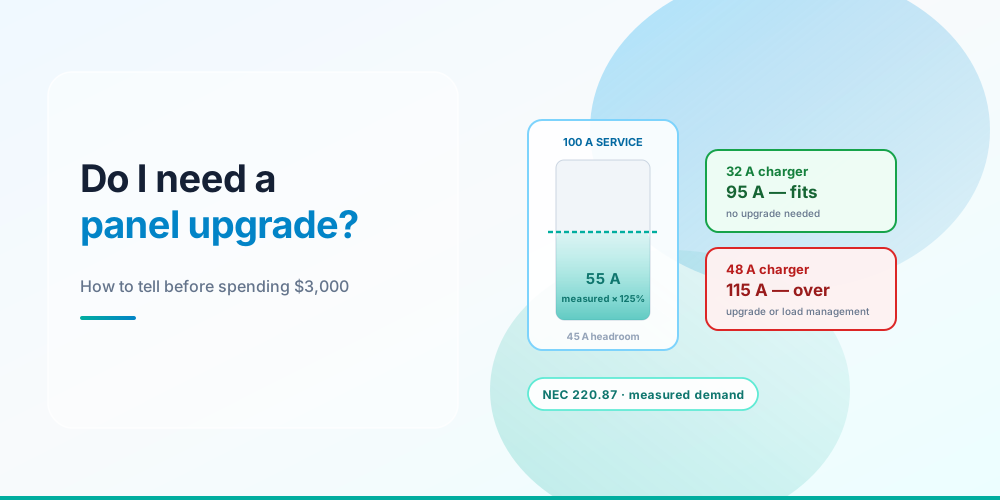
Do I Need a Panel Upgrade? How to Tell Before Spending $3,000
How to tell whether a panel upgrade is genuinely required: the NEC 220.87 measured-demand method that often proves it isn't, the difference between a full panel and a maxed service, and the panel types that get replaced regardless.
- 03 Aug, 2026
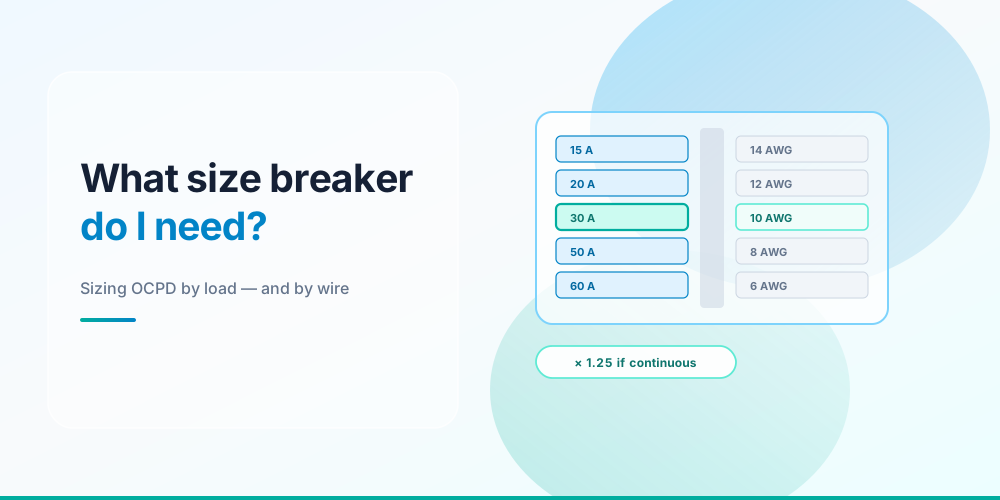
What Size Breaker Do I Need? Sizing OCPD by Load
How to size a breaker: start with the load, add 25% if it's continuous, round up to a standard 240.6(A) rating, then confirm the conductor can take it. Plus the small-conductor cap, the next-size-up rule, and why motors break all of it.
- 03 Aug, 2026
How Many Outlets on a 20 Amp Circuit? The Real NEC Answer
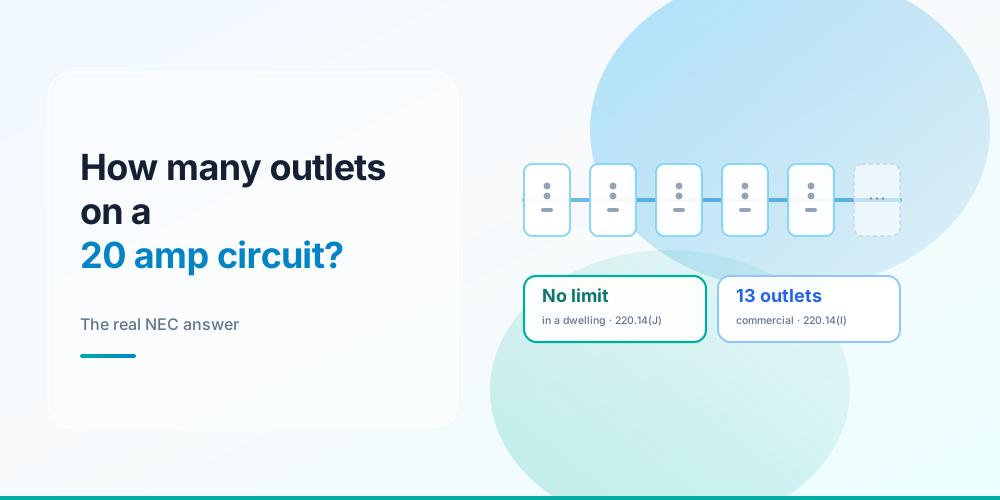
In a dwelling the NEC sets no limit on receptacles per circuit - 220.14(J) already counts them. In commercial work it's 180 VA each, so 13 on a 20 amp circuit. Plus the load limits that actually apply and the 8–10 working convention.
- 03 Aug, 2026
15 Amp vs 20 Amp Circuit: Wire, Outlets, and When to Use Each
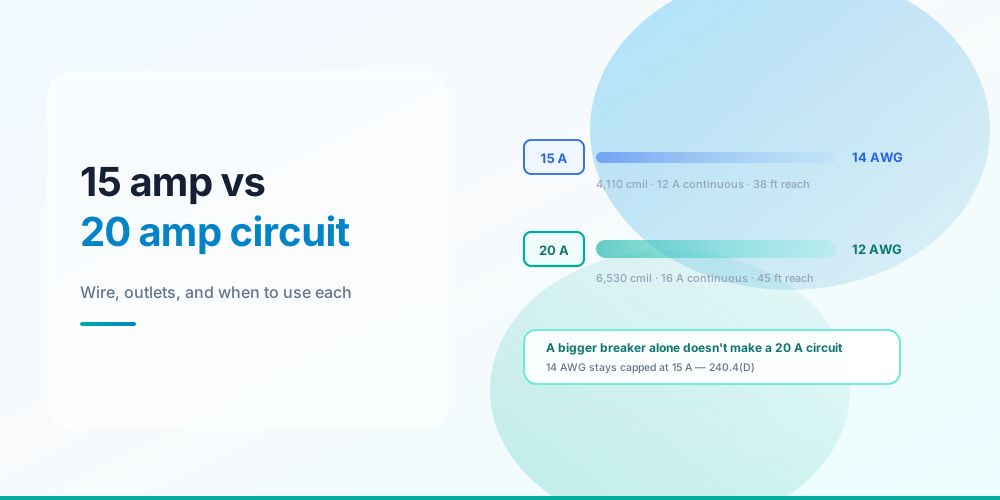
The difference is the conductor - 14 AWG versus 12 AWG - not the breaker. Which receptacles are legal on each, where the NEC requires 20 amps, why you can't upgrade with a breaker swap, and how the usable load compares.
- 03 Aug, 2026
What Size Wire Do I Need? AWG by Amps, Distance, and Material
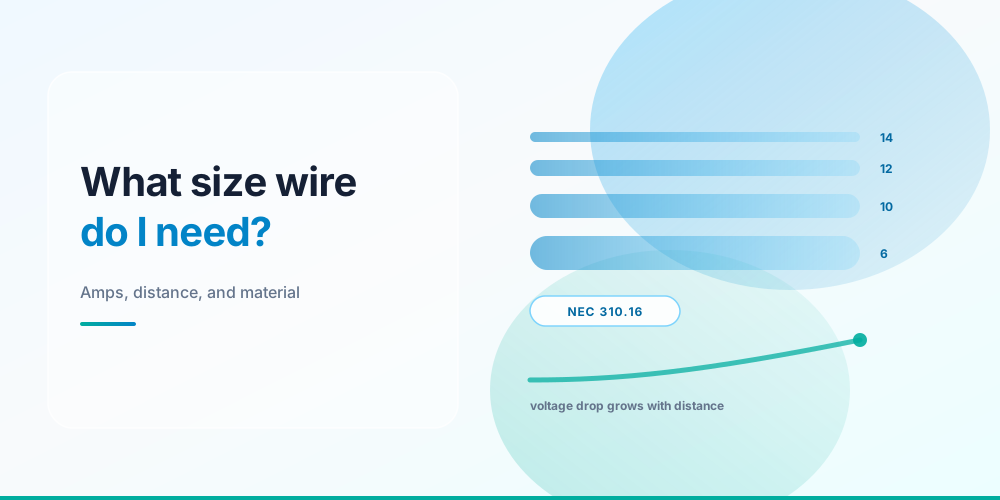
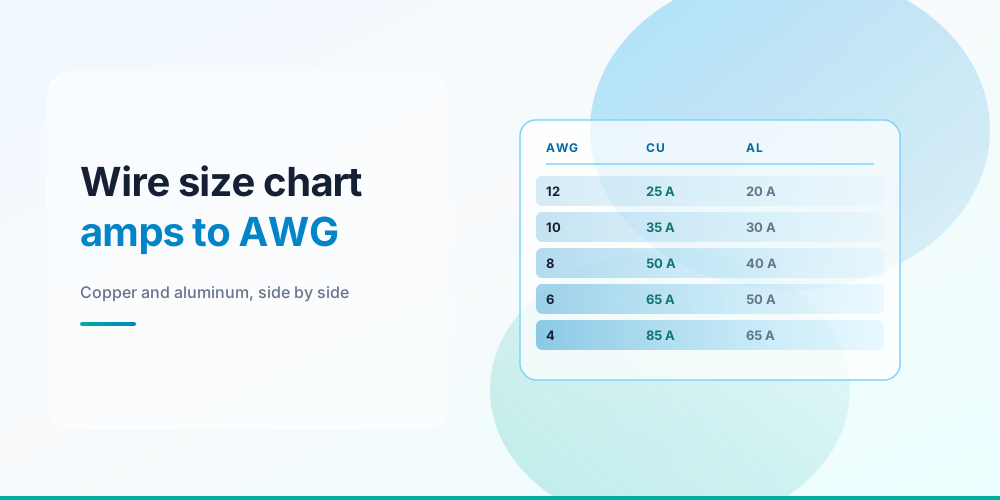
How to size wire the way the NEC does: run the ampacity test against Table 310.16, run the voltage drop test against the length, and take whichever answer is larger. Includes an amps-to-AWG chart for copper and aluminum.
- 03 Aug, 2026
Wire Size Chart: Amps to AWG for Copper and Aluminum
The full NEC Table 310.16 wire size chart - copper and aluminum ampacity at 60, 75, and 90 °C, which column actually applies to your job, and the 240.4(D) breaker caps that override it.
- 03 Aug, 2026
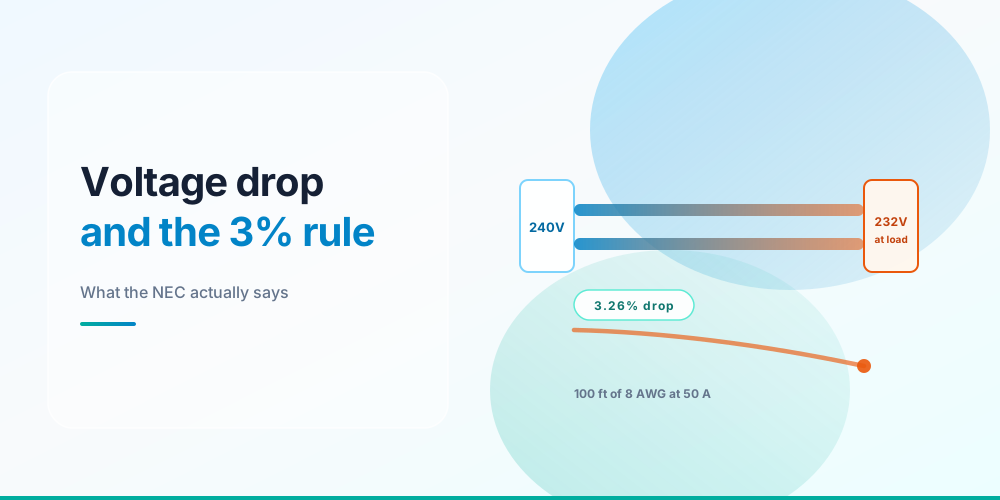
Voltage Drop: How to Calculate It and What the NEC 3% Rule Really Says
How to calculate voltage drop with the circular-mil formula, what the NEC actually says about the 3% and 5% limits (they're informational notes, not requirements), three worked examples, and how to fix a run that fails.
- 03 Aug, 2026
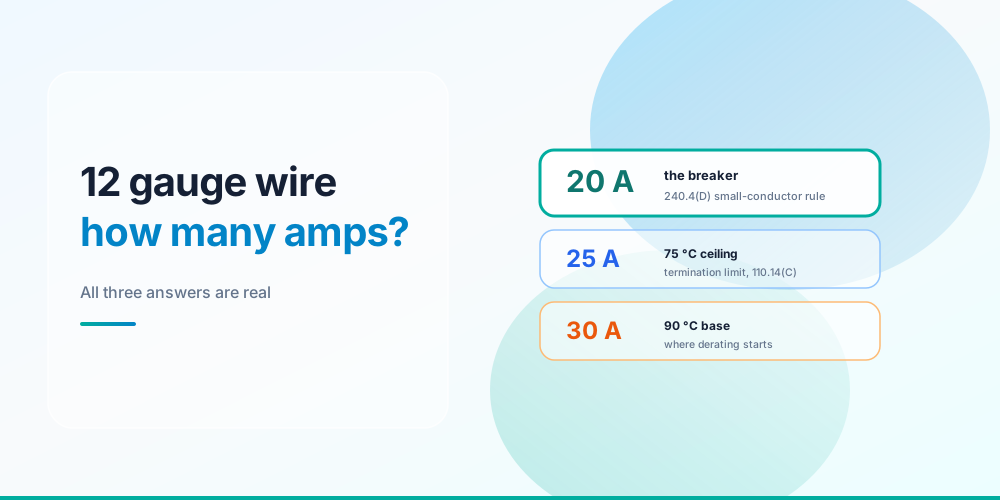
12 Gauge Wire Amps: 20 A, 25 A, or 30 A - and When Each Applies
12 AWG copper is listed at 20, 25, and 30 amps depending on the column - and all three are correct in different contexts. Which one is your breaker, which one is the derating base, and why 12 gauge never goes on a 30-amp breaker.
Frequently asked questions
Common questions about Nec guides on the TradesQuote blog.
What will I find under Nec?+
This tag lists 19 published guides tagged or categorized as Nec. Topics typically include sizing, cost estimating, diagnostics, and practical contractor workflows tied to that subject.
Are these articles a substitute for code or engineered design?+
No. TradesQuote guides explain concepts and estimating shortcuts so you can work faster and communicate clearly. Always follow applicable codes, manufacturer instructions, and professional engineering requirements for the job.
How do these pages relate to TradesQuote tools?+
Many articles link to free HVAC or electrical calculators and to TradesQuote estimating features. Use the guides to understand the topic, then use the tools to produce numbers for proposals and field checks.